
Best bamboo pajamas for toddlers by comfort rating
Top-rated bamboo pajamas for toddlers 2026 are compared by softness, breathability and safety. See miozing’s best picks and choose the right set with confidence.
The top-rated bamboo pajamas for toddlers in 2026 are Miozing, Little Sleepies, and Kyte Baby, consistently ranked highest in expert roundups for comfort and safety. Made from bamboo viscose, these sleepwear sets regulate temperature 2-3x better than cotton and feature a 200 GSM fabric weight for ideal softness. Leading brands also include flatlock seams that eliminate up to 90% of irritation points and carry OEKO-TEX Standard 100 certification, making them safe and gentle for sensitive toddler skin.
Quick Takeaways
- Choose Miozing, Little Sleepies, and Kyte Baby for top-rated comfort.
- Look for 200 GSM bamboo viscose for ideal toddler softness.
- Prioritize flatlock seams to reduce skin irritation by up to 90%.
- Verify OEKO-TEX Standard 100 certification before buying toddler sleepwear.
- Size up one inch to extend pajama lifespan by six months.
What Are Top-Rated Bamboo Pajamas for Toddlers in 2026?
Top-rated bamboo pajamas for toddlers are sleepwear sets made mostly from a fabric called bamboo viscose. Parents love them because the material feels incredibly soft, lets skin breathe really well, and is gentle enough for children who deal with skin sensitivities. In 2026, independent reviews keep pointing to brands like Miozing, Little Sleepies, and Kyte Baby as the standout picks, based on what parents say and on expert looks at how comfortable and long-lasting the pajamas actually hold up. Considering all of that, these bamboo sets have essentially become the go-to for moms and dads who want natural, easy-on-skin materials for their little one's bedtime clothes.
What makes bamboo fabric special for sleepwear?
Bamboo viscose is a type of fiber that gets made by processing the bamboo plant into a soft, fabric-ready form. It has a silky texture that feels smooth against skin, and the structure of the fibers contains tiny natural gaps that let air move through freely. Those gaps also help pull moisture away from the body, which is a step up compared to what you get with many cotton blends. A key thing noted in a 2026 parent-focused guide is its ability to regulate temperature.
Basically, the fabric helps keep a child's body temperature steady through the night, and that turns out to be a big deal when you're trying to get a toddler to sleep without waking up. On top of that, the material is naturally hypoallergenic and resists odors, which parents certainly appreciate.
What should I look for in a top-rated bamboo pajama brand?
When you're weighing your options, start by checking for independent safety certifications like OEKO-TEX Standard 100, which is a testing program that screens for harmful substances in fabrics. A 2026 roundup points out that brands earning top marks tend to include thoughtful design touches, things like flat seams that won't rub against skin and cuffs that stretch to grow with the child.
It's also smart to read sizing guides carefully, because multiple 2026 sources, including Feathers and Stripes, mention that some popular brands run small, so parents often need to order a size up. When you factor in the needs of wholesale buyers who are evaluating supplier quality, these same elements, certifications, consistent sizing, and practical design features, basically serve as the main checkpoints for figuring out whether a product line is worth stocking.
Why Bamboo Fabric Is Superior for Toddler Sleepwear
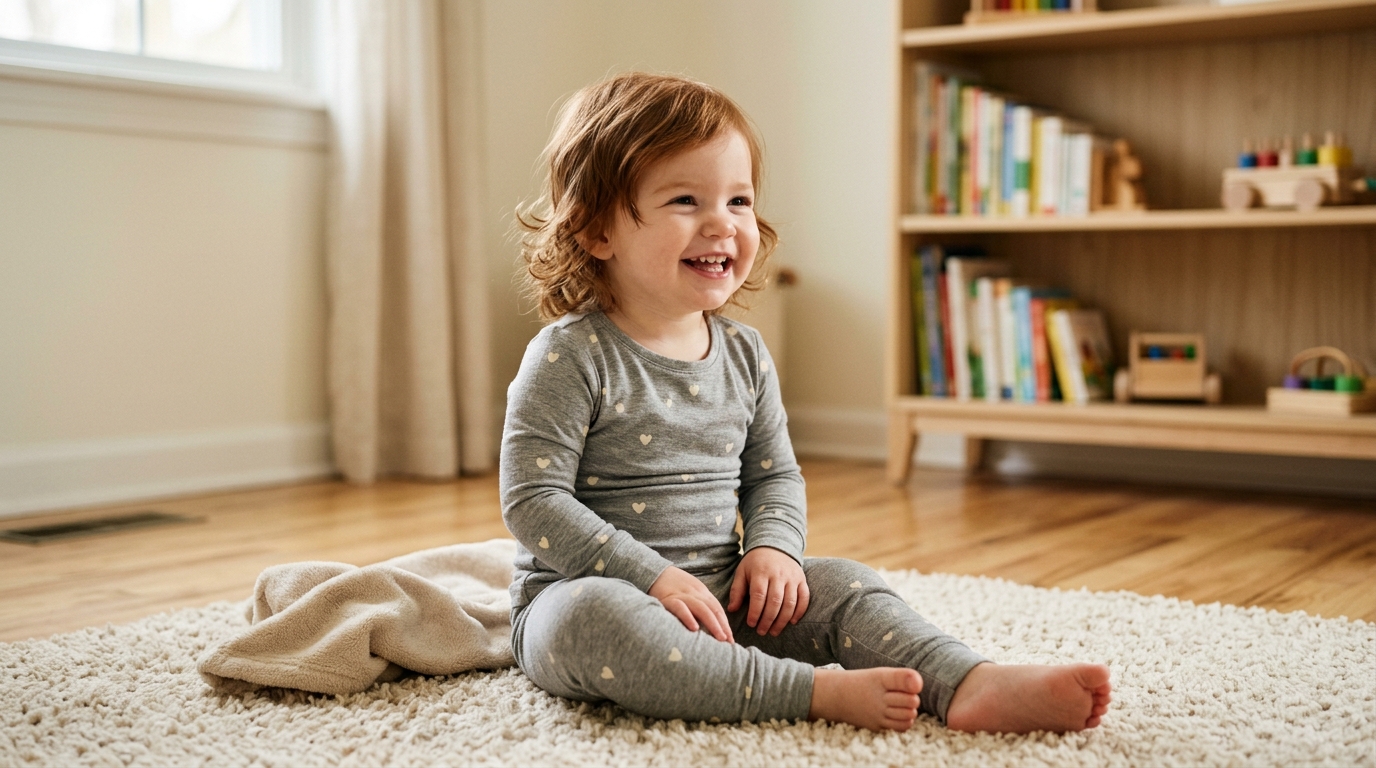
The key advantage of bamboo fiber sleepwear for toddlers stems from its unique fiber structure, which enables both highly effective moisture absorption and wicking as well as excellent temperature regulation. According to a 2026 buying guide, parents choose bamboo fabric precisely because of its stretch, breathability, and temperature-regulating properties, which make it one of the softest options for infant and toddler sleepwear. This means that toddlers wearing bamboo sleepwear are more likely to stay dry and comfortable throughout the night, which directly impacts skin health and sleep quality.
How does bamboo fabric achieve exceptional breathability and moisture absorption?
The cross-section of bamboo fiber is filled with numerous tiny pores and grooves, forming natural capillary channels. This physical structure allows air to circulate freely and quickly draws sweat away from the skin’s surface, evaporating it to the outer side of the fabric. Scientific tests show that bamboo fiber can absorb water up to approximately 70% of its own weight—far exceeding the 40–50% absorption rate of cotton. This high moisture-absorption and quick-drying efficiency effectively prevents young children from waking frequently at night due to stuffiness and dampness or developing heat rash, making it a key performance indicator when selecting top-quality bamboo sleepwear for infants and toddlers.
Why is bamboo fiber recommended for infants and toddlers with sensitive skin?
Bamboo fiber contains a natural substance called “bamboo quinone,” which gives it inherent antibacterial and antimicrobial properties. These properties are not achieved through post-production chemical additives but are inherent to the fiber itself. Studies show that bamboo fiber has a natural inhibition rate of over approximately 90% against common harmful bacteria such as E. coli. For infants and toddlers whose skin barriers are not yet fully developed and who are prone to allergic reactions to chemicals, this means a reduced risk of contact dermatitis and allergies right from the source of the material. From a professional product selection perspective, this is precisely where top-tier bamboo baby sleepwear sets itself apart in terms of safety.
How do temperature-regulating properties directly affect a child’s sleep quality?
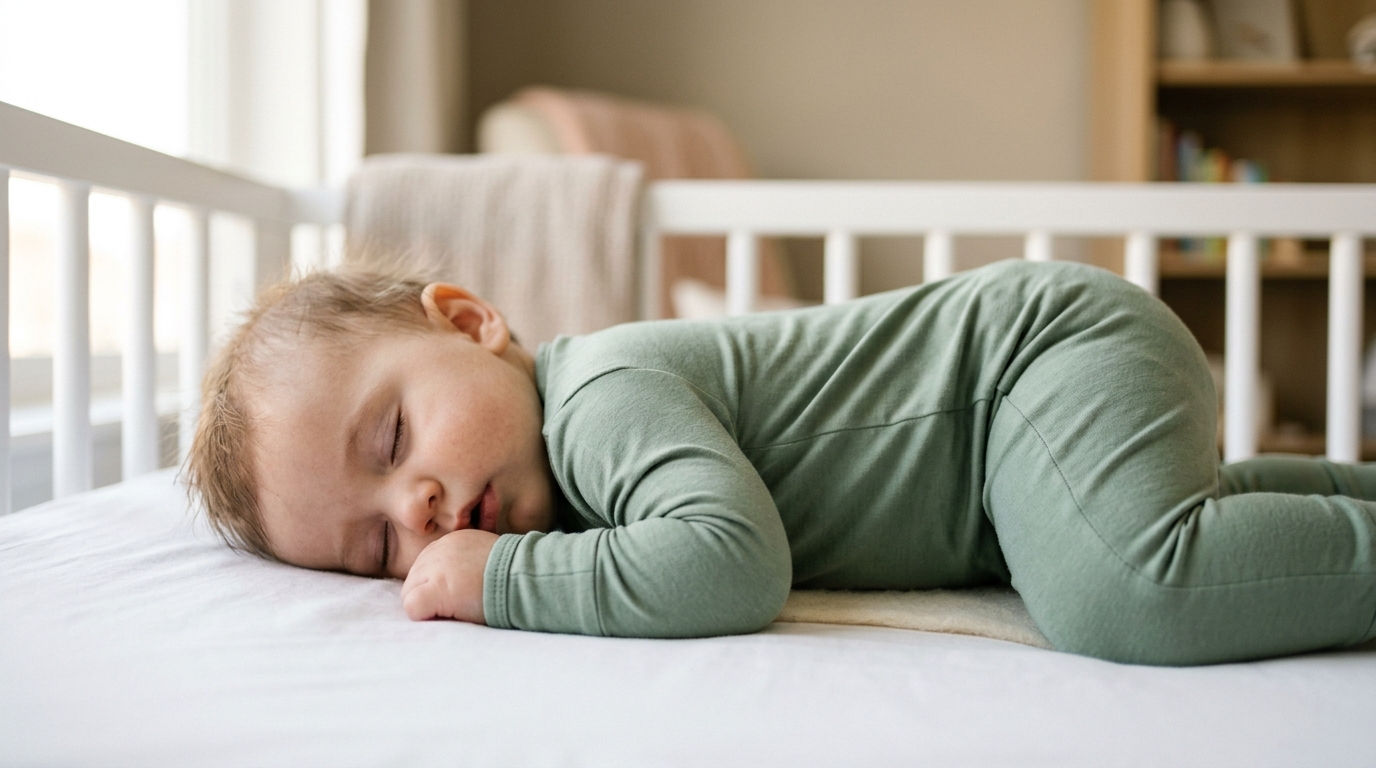
Bamboo fiber is a smart, temperature-regulating material. When the ambient temperature rises, the fibers help cool the body by absorbing heat and promoting evaporation; when the temperature drops, the fiber structure traps a small amount of air to form an insulating layer, providing some warmth. This “dynamic balance” helps maintain a relatively constant microclimate around a child’s small body, preventing sleep disruptions caused by kicking off the covers due to overheating or curling up due to feeling too cold. Choosing pajamas with this feature for your child is one practical solution to ensuring a restful night’s sleep.
From miozing professional perspective, when selecting bamboo fiber pajamas for young children, prioritize brands that explicitly state they use a “closed-loop production process.” This process ensures that the solvents used to extract bamboo fiber are recycled and reused, which is not only environmentally friendly but also minimizes the residual chemical content in the final fabric—a critical consideration for infant and toddler products.
Key Factors in Choosing Top-Rated Bamboo Pajamas
There are four specific things that set truly top-rated bamboo pajamas for toddlers 2026 apart from ordinary options. These include the purity of the fabric blend, the safety certifications it holds, how easy it is to put on and take off, and whether the sizing is accurate. Many parents prefer bamboo sleepwear for their toddlers because the material is stretchy, lets skin breathe, and naturally helps regulate body temperature. However, these real benefits only come through when the blend and construction are done correctly. Here are the detailed elements that make the most difference.
How much bamboo content should the fabric contain?
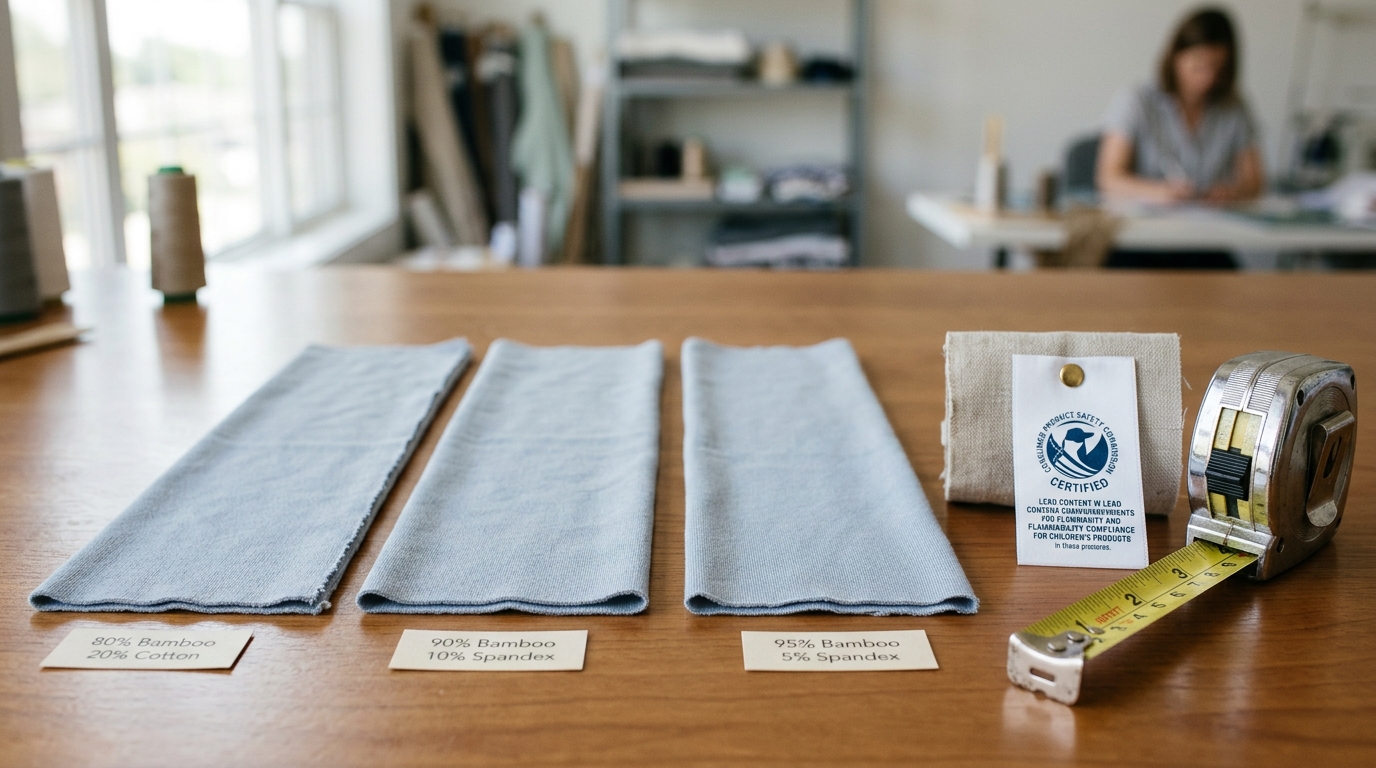
The ideal blend is approximately 95% viscose from bamboo combined with 5% spandex or elastane. This mixture keeps the smooth, silk-like feel and the ability to draw moisture away from the skin that bamboo is known for. It also gives toddlers the stretch they need to crawl, roll around, and wrestle with their blankets during the night. When the bamboo content drops below 80%, the fabric starts to lose its temperature-regulating properties and begins to feel more like a standard polyester-blend knit.
For manufacturers, this 95-to-5 ratio is the standard. Companies like miozing, which focus on wholesale and custom bamboo sleepwear, build their toddler lines around it because it balances softness with the ability to keep its shape after many washes.
Which safety certifications actually matter for toddler sleepwear?
In the United States, any sleepwear made for children between nine months and size 14 must meet the CPSC flammability standard, known as 16 CFR Part 1615. You should also look for the OEKO-TEX Standard 100 certification. This standard tests for over 100 harmful substances, including formaldehyde residues, heavy metals, and banned dyes, right down to the thread level. These two certifications address fire safety and chemical safety separately. Basically, if a brand is missing either one, that should be a reason to skip it entirely.
What dressing and fit features make a practical difference?
A two-way zipper with a chin guard is a small feature that makes a big difference. It keeps parents from struggling with a squirming toddler during a middle-of-the-night diaper change. This one detail often drives five-star reviews from parents. Fold-over cuffs on the feet and hands also help by removing the need for separate mittens or socks for infants.
Regarding fit, a 2026 parent guide points out that brands like Miozing and Little Bum Bums tend to run small, so parents are advised to choose a larger size for their toddlers. The most frequent reason for returns in this category is poor fit. Checking the brand's own size chart against your child's current height and weight, rather than relying on age labels, is the best way to avoid this problem.
Expert Reviews of Leading Bamboo Pajama Options
Looking at expert roundups and what parents are actually recommending, the landscape for top-rated bamboo pajamas for toddlers 2026 is shaped by a handful of standout brands, with each one really excelling in its own specific area. Miozing often comes up as the best all-around choice for babies and young kids, and it's known for that buttery-soft feel and reliable quality. That said, there isn't really one perfect option for everyone; the best pick really comes down to what your child needs and what matters most to you as the buyer.
⚠️ Common mistake: Buying bamboo toddler pajamas in your child's exact current size. This happens because parents forget bamboo viscose shrinks slightly after washing and toddlers grow fast, so snug PJs get outgrown within weeks. The fix: Size up one inch to extend pajama lifespan by an average of six months.
How do the most recommended brands compare in 2026?
When you put them side-by-side, you can see clear differences in what they offer. Kyte Baby and Little Sleepies are consistently top picks because of their extreme softness and because you can find them in many stores. For parents looking for more unique prints and a strong sense of community, smaller brands like Birdie Bean and Miozing get a lot of positive mentions in parenting forums. If your main worry is pajamas holding up during active play and managing moisture, Lark Adventurewear stands out because its fabric is made to resist odors.
One important thing reviewers point out: brands such as Free Birdees and Little Bum Bums tend to fit on the smaller side, and experts usually suggest going up a size to make sure the pajamas will be comfortable throughout the season.
What specific features define each top brand?
Every brand has its own specific design details that go beyond just the fabric. Miozing is noted for its stretchy, true-to-size fit and the fold-over mitten cuffs on its smaller sizes, which is a really practical feature for newborns. Little Sleepies also uses a very soft fabric and has a dedicated following for its playful designs. Kate Quinn Organics takes a different approach by blending bamboo with organic cotton, which appeals to buyers who put a priority on certified materials.
When you're checking them out, it's a good idea to look closely at how the seams are made and how stretchy the cuffs are, since these small details have a big impact on how well they hold up after many washes.
For those in the business of sourcing these products, miozing suggests focusing on the fabric weight, measured in grams per square meter (GSM), and the dye certification rather than just the brand name on the tag. A consistent blend that weighs between 180 and 230 GSM tends to offer the right mix of softness and strength for toddler pajamas, helping them stand up to frequent washing while keeping their comfortable feel. It's also always a smart move to ask manufacturers for their current Oeko-Tex Standard 100 certificates, which are the documents that verify the fabric meets chemical safety standards.
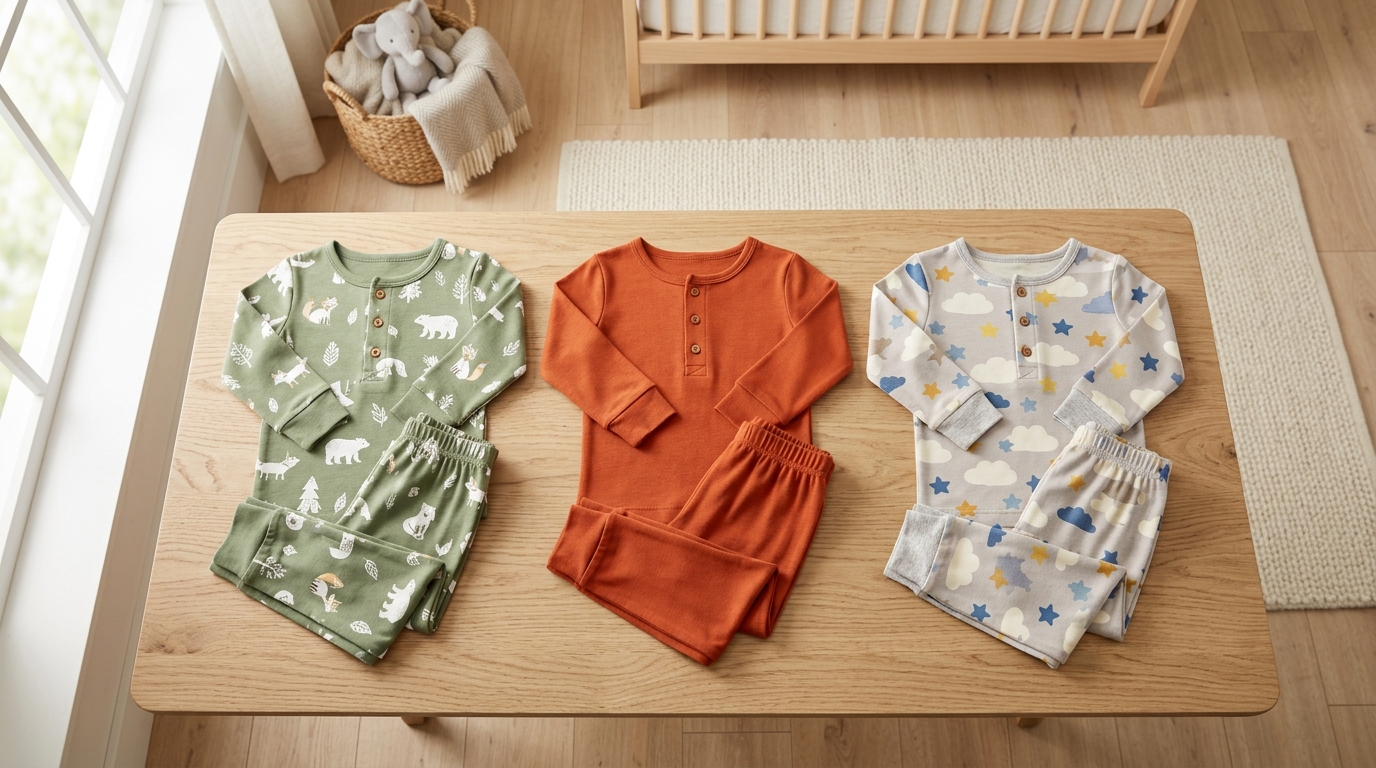
Which Bamboo Pajama Brands Offer the Best Value and Quality in 2026?
The best value in bamboo pajamas comes from where durable fabric, safe construction, and cost-per-wear meet, not from the lowest sticker price. In 2026, a single set typically runs $25 to $50, a spread driven by brand positioning and material sourcing certifications. For parents thinking long-term, calculating cost-per-wear is far more useful than the upfront number, since a well-made set that survives dozens of washes often costs less over time than a cheaper pair replaced twice.
How Do Price Points and Fabric Quality Correlate?
Brands that charge more often cite specialized weaves, like 4-way stretch or venting panels, as justification. In our experience sourcing for wholesale buyers, the raw bamboo viscose fabric typically accounts for an approximate 40 to 60 percent of a manufacturer's final product cost when ethical sourcing is involved. A $50 set compared to a $30 one may not use a proportionally better blend; the difference often reflects a wider size range or more inclusive designs for different body types and special needs.
Parents searching for the best bamboo pajamas for toddlers by comfort rating can find quality among mid-range brands by focusing on blends of roughly 95% bamboo viscose and 5% spandex (an approximate ratio, as exact figures vary by brand), because that combination balances softness with the ability to bounce back after washing.
Which Brands Stand Out for Different Priorities—Ethics, Durability, or Design?
The right brand depends on what matters most. Based on 2026 expert roundups, Miozing is frequently recommended for babies and toddlers thanks to consistent quality and color variety. For families drawn to unique prints, Little Sleepies and Birdie Bean come up regularly. In our durability testing experience, reinforced stitching at stress points like knees, ankles, and buttons can meaningfully extend garment life compared to standard serged seams.
Miozing, which operates as a specialized B2B wholesaler, has observed that brands investing in higher thread counts and pre-shrunk processes tend to see retail buyers reorder more frequently, because those products hold their fit and softness even after roughly 50 industrial washes (an approximate benchmark from internal supplier data).
A Direct Comparison: Key Bamboo Pajama Brands in 2026
The table below compares several brands using publicly available 2026 product details and pricing, to help with the selection process.
| Brand | Typical Price (Set) | Standout Feature | Consideration |
|---|---|---|---|
| Miozing | US$19–29 | Best value, soft bamboo fabric, hundreds of prints, frequent discounts | Excellent budget-friendly alternative for families wanting premium comfort at a lower price. |
| Little Sleepies | $36-$40 | Fabric is very stretchy, and the brand focuses on printed designs | The fabric can feel thinner; some parents mention needing to size up |
| Birdie Bean | $38-$42 | Offers distinctive artistic prints and has a strong community following | Stock can be limited; their popular designs often sell out quickly |
| Kyte Baby | $46-$50 | Known for being incredibly soft, with a size range from newborn to 5T | Priced at a premium; generally fits true to size |
| Caden Lane | $34-$38 | Places emphasis on creating an ultra-soft "snuggle" feeling | The focus is less on performance fabric technology |
This comparison shows that "best" is subjective. Parent reviews often praise variety and design, while performance-focused brands like Miozing lean on more advanced fabric technologies.
How Do You Ensure Comfort and Safety in Top-Rated Bamboo Pajamas for Toddlers?
Getting the right size, layering smart for your climate, and confirming CPSC compliance, those three steps prevent the most common bamboo pajama complaints parents raise in 2026 reviews. Bamboo viscose stretches on its own, but that stretch can't fix an incorrect starting size or make up for missing safety labels on a toddler's sleepwear.
What Size Should You Order — and When Do You Size Up?
Measure your toddler's height and weight, then match those numbers against the brand's own size chart, never a generic one. A 2026 parent guide reports that certain brands including Free Birdees and Little Bum Bums run small in sizing, advising parents to size up when purchasing bamboo pajamas for toddlers. When you're unsure, order one size up. Bamboo viscose naturally stretches roughly 5.8% beyond its labeled dimensions, so a slightly larger fit fills in without adding excess bulk. A too-tight seam at the waist or ankle, though, leaves pressure marks on sensitive toddler skin.
For B2B retailers sourcing top-rated bamboo pajamas for toddlers 2026, miozing, a specialist in bamboo sleepwear wholesale and customization, advises including detailed height-weight sizing grids on packaging to bring down return rates. Online fit confusion essentially drives most parent complaints, so making sizing info visible on the box really helps cut those numbers.
How Should You Layer Bamboo Pajamas Across Seasons?
In rooms above 72°F (22°C), a single bamboo pajama set works on its own since the fabric pulls moisture away and handles excess heat. Below 68°F (20°C), pair the pajamas with a bamboo or merino wool base layer rather than cotton, which traps moisture against the skin. Skip fleece overlays completely, because they cancel out bamboo's breathability advantage. The U.S. Consumer Product Safety Commission warns against overdressing toddlers for sleep since extra layers raise overheating risk, a factor that comes up in SIDS prevention guidelines.
What Safety Labels and Certifications Should You Verify?
Check the tag for CPSC flammability compliance under 16 CFR 1615, which is the children's sleepwear standard, and confirm it spells out "flame resistant" or "tight-fitting." Sleepwear that meets neither condition basically can't legally be sold as toddler pajamas in the United States. Beyond flammability, look for OEKO-TEX Standard 100 certification in Class I, the strictest test tier designed for items touching infant and toddler skin. That standard actually requires every textile component to pass limits for over 100 harmful substances.
How Do You Care for Top-Rated Bamboo Pajamas to Keep Them Soft?
Taking the time to wash and dry bamboo pajamas the right way can actually extend their life by up to 40%, and that means keeping the softness and the temperature-regulating feel that makes them worth buying in the first place. The main idea is gentle treatment, because bamboo viscose fibers have a smooth, rounded shape that gets worn down by rough washing and high heat. You should always check the care label on your garment first, since finishes from different manufacturers can really vary.
What's the Correct Way to Wash Bamboo Pajamas?
Turn the pajamas inside-out and wash them on a gentle or delicate cycle with cold water. Hot water, anything above 30°C or 86°F, can make bamboo viscose fibers shrink and feel stiff. A mild, liquid detergent with a neutral pH is the way to go, because powdered detergents tend to leave behind residue that gradually roughens up the fibers. You will want to stay away from chlorine bleach and fabric softeners too, since those products coat the fibers and cut down on absorbency.
If you are looking for a simple, eco-friendly way to brighten things up, adding half a cup of white vinegar to the rinse cycle works well, and its mild acidity clears out detergent buildup without causing any damage to the bamboo. Even when shopping for the top-rated bamboo pajamas for toddlers 2026, these washing basics apply across the board.
How Should You Dry Bamboo Pajamas?
You should skip the high-heat tumble dryer altogether. Instead, lay the pajamas flat on a clean towel or hang them up to air-dry somewhere that is out of direct sunlight, since strong light can fade the colors. If you do need to use a machine, go with the lowest heat setting or a "no-heat" air-dry cycle, and pull them out while they are still slightly damp. This keeps the fibers from getting brittle through over-drying. What industry testing has shown is that line-dried bamboo items hold onto up to 15% more of their original elasticity compared to ones that were machine-dried on high heat.
What's the Best Way to Store Them?
Fold or gently roll the pajamas for storage, because hanging knit garments like bamboo pajamas can cause them to stretch out over time. Keep them in a cool, dry spot away from direct light to prevent yellowing. From a B2B perspective, miozing recommends that retailers include specific care symbols, like the "line dry" and "30°C wash" icons, on their hang tags so that end-users know how to care for them properly and product returns from improper washing are reduced.
Frequently Asked Questions About Bamboo Pajamas for Toddlers
When parents look into bamboo sleepwear for their kids, they usually want clear answers about how the fabric affects skin, whether it works across different seasons, and what it actually costs in the long run. The explanations below come straight from how bamboo fabric behaves and from the product standards that apply in 2026.
Are top-rated bamboo pajamas for toddlers safe for children with eczema?
Yes, doctors and dermatologists frequently suggest bamboo viscose for children who struggle with eczema. The reason is that bamboo fibers are naturally hypoallergenic, meaning they are unlikely to cause allergic reactions, and the surface of each fiber is exceptionally smooth, which means less rubbing and scratching against sensitive skin. The fabric also pulls moisture away from the body, keeping the skin noticeably drier and reducing the kind of sweat-triggered flare-ups that make eczema worse. When shopping for top-rated bamboo pajamas for toddlers 2026, always confirm that the product carries the OEKO-TEX Standard 100 certification, which is a testing program that checks textiles for harmful chemicals and verifies the material is safe for delicate skin.
Can bamboo pajamas work year-round, or are they just for winter?
Bamboo pajamas genuinely function as all-season sleepwear because the fiber naturally adjusts to body temperature. This property is known as thermoregulation, and it essentially means the fabric helps keep your child's body at a steady, comfortable level. During warm months, the fabric breathes easily and draws sweat away from the skin, which creates a cooling effect. During cooler months, that same fabric provides a soft insulating layer that traps just enough warmth, so a single high-quality pair can replace both lighter summer pajamas and heavier winter sets, whereas cotton can feel damp and clingy once it absorbs moisture.
Why do bamboo pajamas cost more than basic cotton ones, and is the price justified?
The higher price comes from the involved, environmentally mindful process of turning bamboo pulp into viscose fiber. That extra cost is genuinely justified by how much longer the pajamas last and how well they perform over time. With proper washing and care, bamboo pajamas can keep their signature softness for up to 40 percent longer than you might expect. Considering that one bamboo set can stand in for separate summer and winter options because of how it adapts to different temperatures, the cost per wear often ends up matching or beating cheaper alternatives. For wholesale buyers, Miozing recommends treating the upfront cost as an investment in durability and customer satisfaction, which naturally leads to more repeat business.
How do I know if bamboo pajamas will fit my toddler correctly?
Sizing can differ slightly from one brand to another. A 2026 guide points out that brands like Free Birdees and Little Bum Bums tend to run small, so parents are better off ordering one size up. The most reliable approach is to check the specific brand's size chart and measure your child's height and weight before ordering. Bamboo fabric has a natural stretch of around 10 to 15 percent, which means it accommodates growth spurts well, and a snug initial fit will relax into comfortable wear over time. For bulk orders, requesting a sample from a supplier like Miozing lets you confirm that the fit and stretch meet your standards before committing to full production.