

Sleep Sack vs Swaddle Safety Guide for Better Sleep
Sleep Sack vs. Swaddle at a Glance
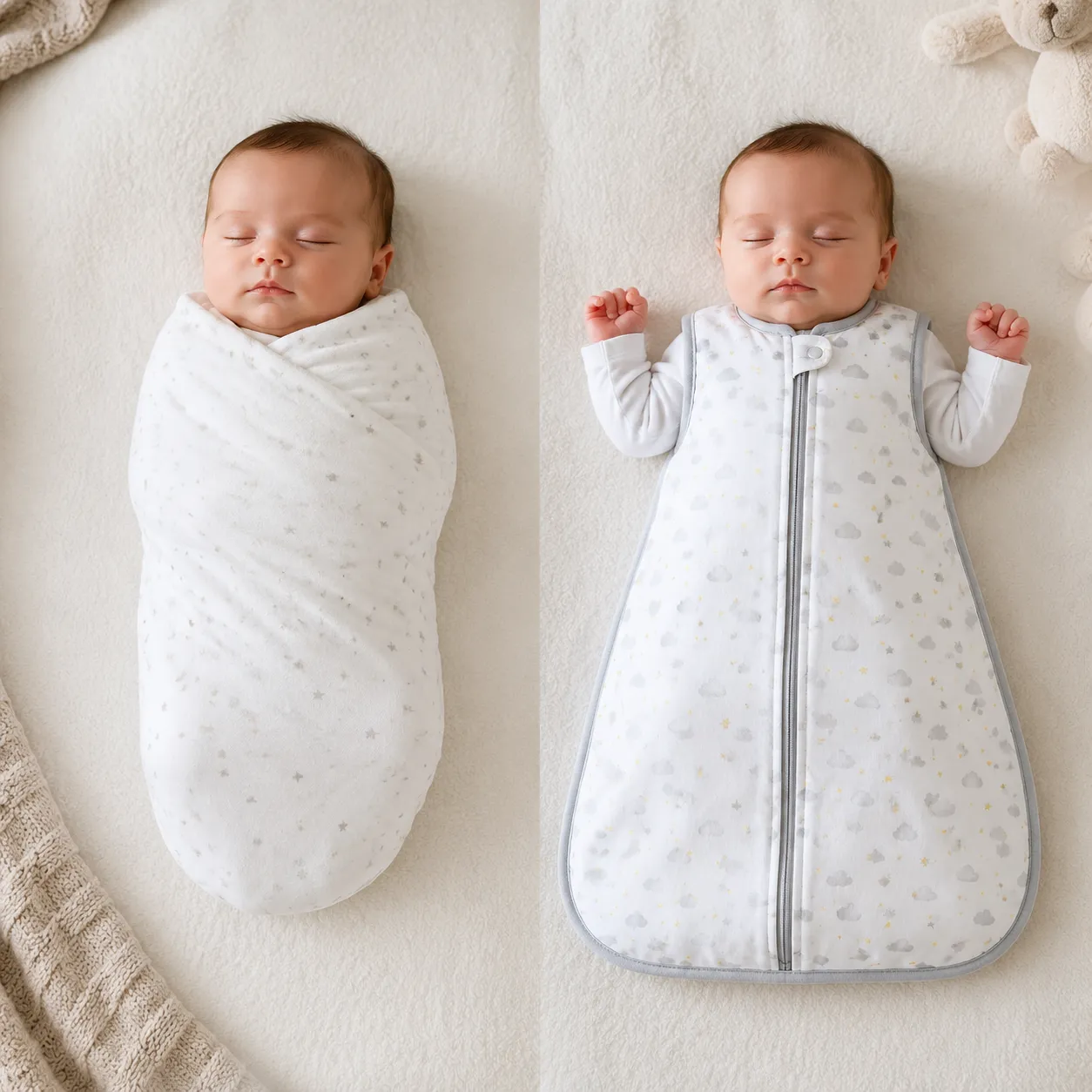
Choosing the right sleep gear is essential for your baby's comfort, safety, and overall sleep quality. While both options promote a restful night, they serve different developmental stages. A swaddle wraps snugly around a newborn to mimic the womb and suppress the startle reflex, while a sleep sack acts as a wearable blanket that offers more freedom of movement as your baby grows.
Quick Comparison Table
| Feature | Swaddle | Sleep Sack |
|---|---|---|
| Primary Purpose | Mimics the womb; suppresses startle reflex | Replaces loose blankets; keeps baby warm |
| Best Age Range | Newborn to ~2-3 months (before rolling) | Newborn up to toddlerhood (any age) |
| Arm Mobility | Fully restrained (arms-in) | Free movement (arms-out) |
| Safety Post-Rolling | Unsafe (must discontinue immediately) | Safe (designed for rolling babies) |
| Ease of Use | Requires practice or specific wraps/zippers | Extremely easy; un-zip and go |
| Primary Benefit | Soothes Moro reflex for deeper newborn sleep | Long-term safe sleep for babies |
What Is a Swaddle?
Definition
A swaddle is a traditional technique of wrapping a newborn snugly in a light, breathable blanket. This mimics the tight, secure environment of the womb, keeping their arms and legs contained to limit movement during sleep.
Why Swaddling Works
Newborns are born with a primitive Moro reflex (the startle reflex). This involuntary reflex makes them feel like they are falling, causing their arms to flail and waking them up out of nowhere. A tight wrap prevents these sudden movements, allowing the baby to sleep longer and more deeply.
Benefits of Swaddling
- Calms the Startle Reflex: Keeps flailing arms still so babies do not wake themselves up.
- Mimics the Womb: The familiar pressure provides instant comfort and security.
- Better Sleep Quality: Helps newborns fall asleep faster and stay asleep longer.
- Reduces Anxiety: Deep pressure touch naturally lowers stress levels in infants.
Drawbacks
While highly effective for newborns, swaddling has clear limitations and safety rules. Knowing how many swaddles do I need helps you plan out this stage, but you must always be ready for the drawbacks.
| Drawback | Description |
|---|---|
| Short Lifespan | Must be stopped the moment a baby shows signs of rolling over. |
| Overheating Risk | Heavy fabrics or improper layering can trap too much body heat. |
| Hip Development Risks | Wrapping the legs too tightly can lead to hip dysplasia. |
| Escape Artists | Wriggly babies can break loose, creating loose blanket hazards in the crib. |
What Is a Sleep Sack?
Definition
A sleep sack, also known as a wearable blanket, is a zip-up sleeping garment designed for babies. It keeps your little one warm and cozy without the safety risks associated with loose blankets in the crib. It fits securely around the neck and armholes while leaving the legs loose and free to move.
Different Types
Not all sleep sacks are created equal. Depending on your baby's age and the room temperature, you will choose from a few main varieties:
| Type | Best For | Key Feature |
|---|---|---|
| Standard Sleep Sack | Seamless overnight sleeping | Sleeveless design to prevent overheating. |
| Swaddle Transition Sack | Babies learning to roll | Allows arms-up or partial restriction. |
| Winter/Heavyweight Sack | Cold climates or winter nights | Higher TOG rating with quilted or fleece fabric. |
| Lightweight/Summer Sack | Warm weather or summer nights | Breathable muslin or lightweight cotton/bamboo. |
Benefits
- Enhanced Safety: Eliminates the risk of suffocation from traditional loose blankets.
- Promotes Healthy Hip Development: Unlike tight swaddles, a baby sleep sack allows hips and legs to bend and move freely, preventing hip dysplasia.
- Easy Nighttime Diaper Changes: Most designs feature two-way zippers, allowing you to change diapers without fully undressing your baby.
- Perfect for Layering: They pair beautifully over a soft, breathable bamboo long sleeper romper to keep your baby's temperature perfectly regulated all night.
Limitations
- Less Startle Reflex Control: Because a sleep sack leaves the arms free, it does not suppress the Moro (startle) reflex as effectively as a traditional swaddle.
- Sizing Precision Needed: If the neck opening is too large, the sack can slip up over the baby's face, making accurate sizing absolutely critical.
Sleep Sack vs. Swaddle — Detailed Comparison
Choosing between a swaddle vs sleep sack comes down to your baby's developmental stage and your daily routine. Here is how they stack up across key categories.
| Feature | Swaddle | Sleep Sack (Wearable Blanket) |
|---|---|---|
| Primary Purpose | Mimics the womb; suppresses the startle reflex | Keeps baby warm safely; replaces loose blankets |
| Age Range | Newborn to around 2–3 months (before rolling) | Newborn up to toddlerhood (2+ years) |
| Safety | Safe only before baby shows signs of rolling | Safe for all ages; allows free arm movement |
| Sleep Quality | Excellent for newborns; prevents sudden waking | Great for older babies; promotes independent sleep |
| Temperature | Higher risk of trapping heat; needs careful layering | Excellent airflow; easy to regulate with TOG ratings |
| Ease of Use | Requires practice (unless using smart zipper versions) | Very simple; just zip or snap and go |
| Longevity & Cost | Low longevity; outgrown in a few months | High longevity; adjustable sizes last for a long time |
| Maintenance | Easy to wash, but frequent wrapping causes wear | Holds up well to heavy machine washing and drying |
Purpose
The swaddle is designed to recreate the snug, secure feeling of the womb. It firmly wraps around the baby's body to mute the natural Moro (startle) reflex, which often wakes newborns up. A baby sleep sack, or wearable blanket, serves as a safe blanket alternative. It keeps the baby warm without the suffocation risks associated with loose bedding, allowing the arms to move freely while keeping the legs enclosed.
Age Range
Swaddling is strictly for the newborn phase. It is used from birth until the baby shows the first signs of attempting to roll over, which usually happens between 8 and 12 weeks. A baby sleep sack has a much longer lifespan. It can be used for a newborn sleep sack option if designed with a snug fit, but it is primarily used from 3 months old all the way through toddlerhood.
Safety
Swaddle safety requires a tight, correct wrap and always placing the baby on their back. The moment a baby can roll, a swaddle becomes a hazard because they cannot use their arms to clear their airway. A sleep sack offers superior sleep sack safety for rolling babies. Because the arms are free, babies can safely roll over onto their stomachs and shift positions during the night without restriction.
Sleep Quality
For newborns, the tight wrap of a swaddle provides exceptional sleep quality by preventing accidental wake-ups from jerky arm movements. However, as babies grow, they need freedom of movement to soothe themselves. The wearable blanket allows older infants to kick their legs and suck on their hands, which helps them transition into longer, deeper sleep cycles independently.
Temperature Regulation
Swaddles add multiple layers of fabric around a baby's core, which can trap body heat if not monitored closely. When using a sleep sack, temperature regulation is much easier to manage. Parents can select specific weights based on the room temperature and dress the baby in breathable cotton or a bamboo zipper sleeper underneath to prevent overheating.
Ease of Use
Mastering a traditional blanket swaddle takes time and practice, especially during middle-of-the-night diaper changes. Sleep sacks are incredibly user-friendly. Most styles feature two-way zippers or shoulder snaps, allowing you to diaper change your baby quickly without fully undressing them or wrestling with tight folds.
Cost & Longevity
Swaddles are a short-term investment. Since babies outgrow them in less than three months, you will need to replace them quickly. Sleep sacks offer much higher value and longevity. They are sold in grouped sizes (like 0-6 months or 6-18 months) and feature roomy bottoms that accommodate rapid growth spurts, making them a cost-effective choice for long-term safe sleep for babies.
Cleaning & Maintenance
Both items face frequent spit-ups and diaper blowouts, requiring durable fabrics. Swaddles are lightweight and dry quickly, but constant stretching can warp their shape over time. Sleep sacks are built for heavy rotation. They maintain their structure through dozens of laundry cycles, especially when crafted from high-quality, resilient textiles that do not pill or shrink easily.
Sleep Sack vs. Swaddle: Pros and Cons
Choosing the right bedding for your baby comes down to weighing the benefits against the limitations of each option. Here is a direct breakdown of how the swaddle vs sleep sack matchup looks in daily practice.
Swaddle Pros and Cons
Swaddling recreates the snug environment of the womb, making it a go-to for the earliest stages of infancy.
-
Pros:
- Calms the startle reflex: Keeps baby's arms secure so they do not wake themselves up unexpectedly.
- Promotes longer sleep: Provides unmatched comfort and security during the fourth trimester.
- Soothes fussiness: Highly effective at calming overtired or colicky newborns.
-
Cons:
- Short lifespan: You must know when to stop swaddling the moment your baby shows any signs of trying to roll over.
- Escaping risk: Traditional blankets can untangle and pose a hazard if the wrap comes loose.
- Learning curve: Mastering the secure tuck takes practice and patience.
Sleep Sack Pros and Cons
A wearable blanket offers long-term usability and freedom of movement while keeping your little one warm and safe.
-
Pros:
- Enhanced sleep sack safety: Completely eliminates the danger of loose bedding in the crib to ensure safe sleep for babies.
- Longevity: Grows with your child, with sizes ranging from a sleep sack for newborn use up to toddlerhood.
- Easy to use: Simple zipper or snap designs make middle-of-the-night diaper changes effortless.
- Healthy hip development: Allows the legs to bend and kick freely.
-
Cons:
- No reflex control: Does not suppress the startle reflex, which may disrupt sleep for very young infants who prefer a tight hold.
- Sizing precision needed: If the neck opening is too wide, the material can slip up over the baby's face.
When Should You Use a Swaddle?
Swaddling is a time-tested technique designed to mimic the cozy, secure environment of the womb. It provides newborns with a sense of safety, which helps them transition into the outside world and encourages longer, deeper sleep stretches.
Signs Your Baby Benefits from Swaddling
Not every newborn sleeps the same, but most infants show clear signs that they thrive when wrapped up. You should consider using a swaddle if your baby exhibits the following behaviors:
- Frequent Startle Reflex: Also known as the Moro reflex, this involuntary twitching can easily wake a sleeping baby. A swaddle keeps their arms secure to prevent these sudden awakenings.
- Difficulty Settling Down: If your infant struggles to calm down at bedtime or during naps, the gentle pressure of a swaddle can lower their heart rate and soothe anxiety.
- Restless Hands: Newborns often scratch their faces or accidentally pull out their pacifiers. Keeping their arms contained eliminates these disruptions.
To make the transition home seamless and keep your newborn comforted from day one, having a few high-quality baby swaddle sets on hand is essential for every nursery.
When Swaddling Is No Longer Safe
While swaddling is incredibly effective for newborns, it is a temporary sleep solution. As your baby grows and develops motor skills, swaddling becomes a safety hazard.
| Milestone / Sign | Why It Is Unsafe | Immediate Action Required |
|---|---|---|
| Signs of Rolling Over | A swaddled baby who rolls onto their stomach cannot use their arms to push up, creating a high risk of suffocation. | Stop swaddling immediately and transition to a wearable blanket. |
| Breaking Out of the Wrap | Loose blankets in the crib can cover the baby's face and restrict breathing. | Switch to a hook-and-loop swaddle or move directly to a sleep sack. |
| Decreased Moro Reflex | When the startle reflex disappears, the primary developmental need for arm restriction is gone. | Begin freeing one or both arms to prep for a sleep sack. |
| Increased Mobility & Kicking | Stronger babies can kick out of traditional blankets or shift the wrap upward around their necks. | Discontinue traditional wrapping for safe sleep. |
When Should You Transition to a Sleep Sack?
Why Transitioning Matters
Transitioning from a swaddle to a wearable blanket is a critical milestone for baby sleep safety. While a swaddle keeps newborns calm by mimicking the womb, it becomes a serious safety hazard the moment a baby attempts to roll over. Moving to a sleep sack allows your baby's arms to be free, ensuring they can lift their head and adjust their position to maintain an open airway if they roll onto their stomach.
Signs Your Baby Is Ready
You must stop swaddling and make the switch to a baby sleep sack immediately if you notice any of the following signs:
- Rolling over: Your baby successfully rolls from back to tummy, or even shows signs of attempting to roll.
- Fighting the swaddle: Your baby constantly breaks their arms free or gets frustrated with tight wrapping.
- Decreased startle reflex: The newborn Moro reflex naturally fades around 2 to 4 months of age.
- Increased mobility: Your baby kicks out of the blanket or moves around the crib excessively during the night.
Three Safe Transition Methods
Making the transition from swaddle to sleep sack can affect sleep quality temporarily, but using a structured approach keeps your baby safe and comfortable.
- The Cold Turkey Method: Stop swaddling completely overnight and place your baby directly into a loose-fitting sleep sack. This works best for babies who are already rolling or actively resisting the swaddle. For maximum comfort during this sudden change, dress them in a soft, breathable bamboo baby sleeper under the sack to maintain a familiar, cozy texture.
- The One-Arm-Out Method: Wrap your baby with one arm free for three to four nights, leaving the other arm securely swaddled. This allows them to get used to some self-soothing freedom before releasing both arms.
- The Gradual Separation Method: Use a transitional swaddle sleeve or a loose sleep sack for naps first, then gradually introduce it during nighttime sleep over the course of a week.
Common Transition Challenges
Expect a few disrupted nights during the swaddle vs sleep sack transition. The most common challenge is increased nighttime wakings as your baby adjusts to the freedom of their arms. They may accidentally hit themselves in the face or startle awake. Rest assured, this phase typically lasts only a few days to a week as your baby adapts to their new safe sleep routine.
The question of combining a swaddle vs sleep sack is common for parents seeking the ultimate sleep setup. However, layering these two sleep items requires strict adherence to safety guidelines to prevent overheating and physical restriction.
Can You Use a Swaddle and Sleep Sack Together?
Generally, layering a traditional swaddle and a baby sleep sack together is unnecessary and often dangerous. Both items serve as blankets; combining them can quickly cause a baby to overheat or restrict their hip movement. However, there are specific, engineered exceptions designed for this exact purpose.
Safe Situations
- Using an All-in-One Swaddle Transition Sack: Many modern wearable blankets feature built-in swaddle wraps (like Velcro wings attached directly to the sack). This is safe because the product is designed as a single unit to help with the transition from swaddle to sleep sack.
- Hands-Free Layering: If using a specialized transition wearable blanket, you can safely wrap the baby’s chest while leaving their arms free, provided the product specifies this use.
- Pairing with Breathable Base Layers: Instead of doubling up on outerwear, ensure safe sleep for babies by pairing a single sleep sack with temperature-regulating base layers, such as soft bamboo shorty rompers that keep your little one comfortable without adding bulk.
Unsafe Situations
- Wrapping a Swaddle Over a Sleep Sack: Never wrap a traditional swaddle blanket over a standard sleep sack. This traps too much body heat and can cause dangerous overheating.
- Restricting Rolled Babies: If your baby is showing signs of rolling, wrapping their arms inside any layer—whether a swaddle or a hybrid sack—is highly unsafe.
- Loose Blankets: Placing a loose swaddle blanket inside or over a wearable blanket creates a loose bedding hazard in the crib, violating core safe sleep guidelines.
How to Choose Between a Sleep Sack and a Swaddle
Choosing between a swaddle and a baby sleep sack comes down to your baby's development, movement style, and daily routine. Here is a direct breakdown to help you make the right choice for your little one.
Decision Guide by Baby's Age
Your baby's age and motor skills are the most important factors when deciding on sleep gear. Safety guidelines require an immediate shift in gear as your baby grows.
- 0 to 2 Months (Newborn Stage): Use a swaddle. Newborns have a strong startle reflex (Moro reflex) that wakes them up. A snug swaddle mimics the womb, keeps their arms secure, and helps them log longer sleep stretches.
- 2 to 4 Months (Transition Stage): Keep a close eye on movement. The exact moment your baby shows signs of trying to roll over, you must stop swaddling immediately to prevent suffocation risks.
- 4 Months and Beyond: Switch completely to a wearable blanket or sleep sack. This keeps your baby warm while leaving their arms free to move, roll, and push themselves up safely.
Decision Guide by Sleep Habits
Every baby sleeps differently. Matching their sleep gear to their specific natural habits ensures a better night's rest for everyone.
| Baby's Sleep Habit | Best Choice | Why It Works |
|---|---|---|
| Strong startle reflex / Wakes up easily | Swaddle | Secures the arms tightly to prevent sudden movements from waking the baby. |
| Fidgety, loves to kick, or hates arm restriction | Sleep Sack | Gives the legs and feet room to move while keeping the body warm. |
| Actively rolling over or breaking out of wraps | Sleep Sack | Essential for safety; allows arms-free movement so they can reposition their head. |
| Consistently fights the swaddle but still startles | Transition Sack | Halfway option (arms up or one-arm-out) to bridge the gap safely. |
Buying Checklist
Before spending money on new sleep gear, run through this quick quality and safety checklist to ensure you buy exactly how many baby clothes you need without overbuying.
- Safety Check: Ensure there are no loose ties, snaps, or decorative strings that could pose a choking or strangulation hazard.
- Neckline Fit: The neck opening must be snug enough that the baby's head cannot slip down inside the sack, but loose enough to breathe comfortably.
- Two-Way Zippers: Look for inverted or double zippers. This makes late-night diaper changes much faster without exposing your baby's chest to cold air.
- Fabric and TOG Rating: Choose lightweight, breathable fabrics like bamboo or cotton for warmer months, and higher TOG fleece or wool for winter.
- Hip Health: Look for a wide, bell-shaped bottom that allows your baby's hips and knees to bend and splay naturally to prevent hip dysplasia.
Understanding TOG Ratings and Dressing Your Baby
What Is a TOG Rating?
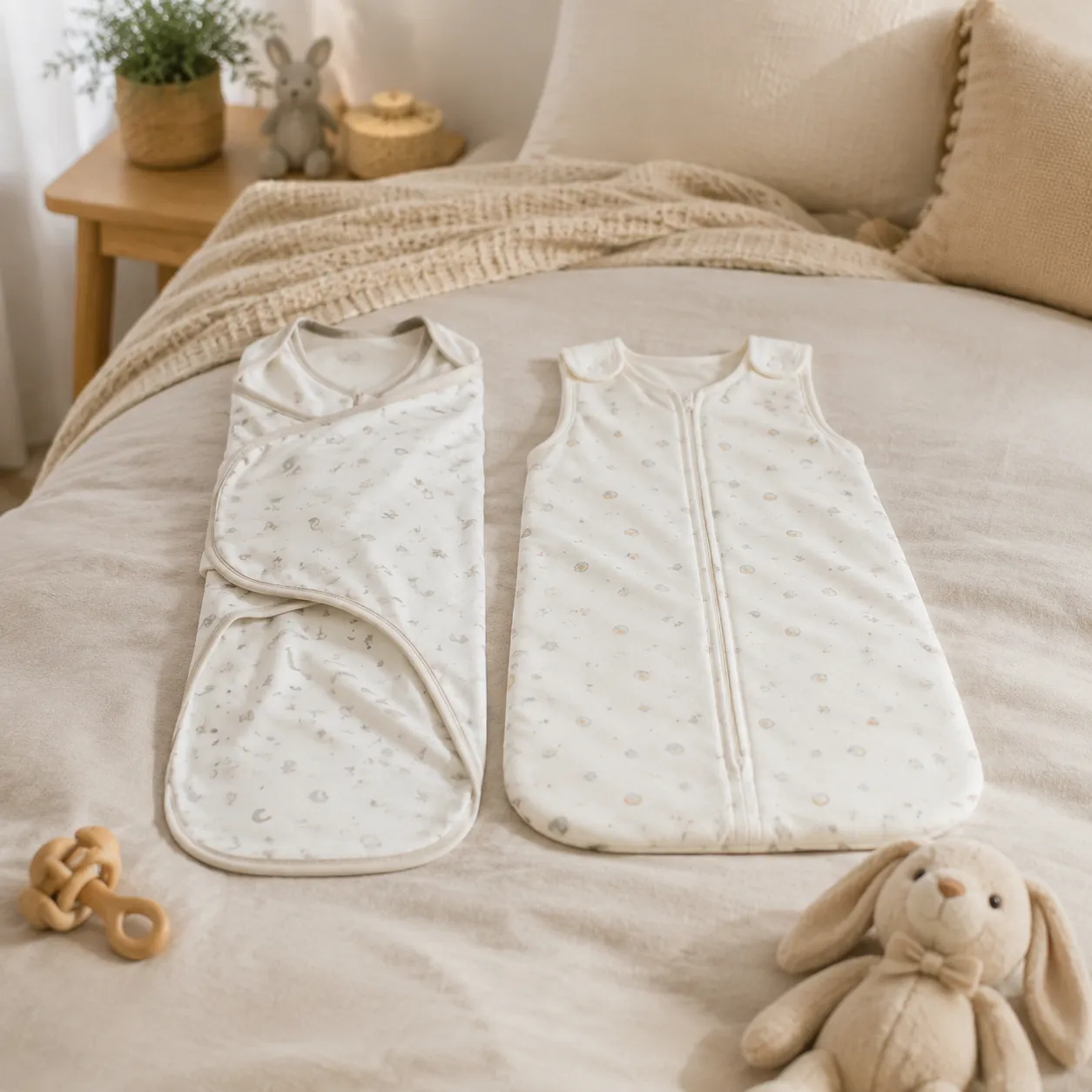
TOG stands for Thermal Overall Grade. It is a industry-standard measurement used to determine the insulation and warmth of a baby wearable blanket or baby sleep sack. The higher the TOG rating, the warmer the fabric and the better it retains heat. Understanding this rating is a vital component of safe sleep for babies, as it helps prevent them from becoming too hot or too cold during the night.
Choosing the Right TOG
Selecting the correct TOG rating depends entirely on the ambient temperature of the nursery.
- 0.5 TOG: Ideal for hot summer months and room temperatures above 24°C (75°F).
- 1.0 TOG: A versatile, year-round weight suited for standard rooms between 20°C to 24°C (68°F to 75°F).
- 2.5 TOG: Designed for colder seasons and crisp room temperatures between 16°C to 20°C (61°F to 68°F).
What Should Baby Wear Under a Sleep Sack?
Layering correctly under a sleep sack for newborn or older babies ensures optimal comfort. The general rule of thumb is to dress your baby in one additional layer than you would wear yourself in the same room.
- For Warm Rooms (24°C+): A simple short-sleeve bodysuit or just a diaper under a 0.5 TOG sack.
- For Standard Rooms (20°C - 24°C): A long-sleeve cotton footie or breathable baby clothes underneath a 1.0 TOG sack.
- For Cool Rooms (Below 20°C): Layer a long-sleeve bodysuit under a thick footie, combined with a 2.5 TOG sleep sack.
Pro-Tip: Always check the back of your baby's neck or their chest to gauge their actual temperature. Damp hair or sweaty skin means they are overheating and need a layer removed immediately.
Choosing the Best Material
Selecting the right fabric for your baby sleep sack or swaddle is crucial for temperature regulation and skin comfort. Different materials suit different climates and sleep preferences.
Cotton
- Best for: Year-round use in standard room temperatures.
- Properties: Durable, breathable, and easy to wash. Cotton remains the standard choice for a reliable wearable blanket.
Bamboo
- Best for: Hot climates, summer months, and babies with sensitive skin.
- Properties: Silky soft, moisture-wicking, and hypoallergenic. Choosing a bamboo fabric helps prevent overheating and pairs excellently under a winter sack with our breathable bamboo zipper romper pajamas for ultimate nighttime comfort.
Muslin
- Best for: Warm weather and traditional swaddling.
- Properties: A lightweight, loosely woven cotton that allows maximum airflow, making it a top choice for a newborn swaddle vs sleep sack debate in the summer.
Merino Wool
- Best for: All seasons, especially fluctuating room temperatures.
- Properties: Naturally temperature-regulating, insulating when cool, and highly breathable when warm.
Fleece
- Best for: Cold winter climates.
- Properties: Warm and cozy, but lacks breathability. Parents must monitor room temperatures closely to ensure safe sleep for babies and avoid overheating.
Common Mistakes Parents Make
Navigating the world of swaddle vs sleep sack options comes with a learning curve. Even with the best intentions, a few minor slip-ups can compromise your baby's comfort and safe sleep for babies. Here are the most frequent missteps we see parents make and how to fix them.
Swaddling Mistakes
- Swaddling too tight around the hips: Wrapping a newborn like a burrito shouldn't mean pinning their legs straight down. This can cause hip dysplasia. Always leave room for their hips to bend up and out.
- Ignoring the rolling milestone: Missing the window for when to stop swaddling is a major hazard. The moment your baby shows signs of rolling over, you must immediately drop the swaddle to prevent them from getting stuck face down.
- Loose blankets: A loose swaddle wrap can easily unravel, creating a dangerous suffocation hazard in the crib.
Sleep Sack Mistakes
- Buying the wrong size: Sizing up to get more use out of a baby sleep sack is dangerous. If the neck opening is too wide, the wearable blanket can slip up over your baby's face. Always buy based on current weight, not future growth.
- Using weighted sleep sacks: Major pediatric safety organizations advise against weighted wearable blankets due to the pressure they place on a developing infant's chest.
- Improper layering underneath: Many parents over-dress their little ones beneath a sleep sack for newborn use, tracking room temperature inaccurately.
How to Avoid Overheating
Overheating is a significant risk factor for SIDS. Babies cannot regulate their body temperature as effectively as adults, making proper gear selection crucial.
- Check the neck and chest: Don't judge your baby's temperature by their cold hands or feet. Touch the back of their neck or chest; if it feels sweaty or hot, they are overdressed.
- Choose breathable base layers: Always dress your baby in breathable, lightweight layers under their sleep sack. Opting for premium, temperature-regulating options like our bamboo long sleeper romper helps wick away moisture and prevents heat retention.
- Match the TOG to the room: Always select your sleep sack's Thermal Overall Grade (TOG) based on the actual ambient room temperature, not the weather outside.
Safe Sleep Guidelines Every Parent Should Follow
Safe Sleep Recommendations
When it comes to safe sleep for babies, consistency is everything. Whether you are currently choosing between a swaddle vs sleep sack or navigating the transition phase, the fundamental safety rules remain the same. Always place your baby on their back to sleep for every nap and nighttime routine. The sleep surface must be firm and flat, completely free from loose blankets, pillows, bumpers, or toys that could pose a hazard.
Temperature control is equally critical for sleep sack safety. Overheating is a major risk factor, so you want to dress your baby in breathable base layers rather than heavy clothing. A soft, temperature-regulating bamboo zippy sleeper works perfectly underneath a standard wearable blanket to keep them comfortable without adding dangerous bulk.
Safe Sleep Checklist
- Back to Sleep: Always place your baby flat on their back for all sleep times.
- Clear Crib: Keep the mattress completely bare except for a tight, fitted sheet.
- Proper Fit: Ensure the baby sleep sack fits snugly around the neck and armholes so it cannot slide up over the face.
- Stop Swaddling Early: Transition away from the swaddle to a wearable blanket at the very first sign of your baby attempting to roll over.
- Share the Room, Not the Bed: Keep your baby’s crib or bassinet in your bedroom for at least the first six months.
Common Myths About Sleep Sacks and Swaddles
Myth 1: Swaddling Is Always Better
Many parents assume traditional swaddling is the ultimate answer for newborn sleep. While it works wonders to calm the Moro reflex in the early weeks, it is not a one-size-fits-all solution. Some babies naturally prefer freedom of movement from day one. In those cases, a baby sleep sack provides a safe alternative without the fuss of a tight wrap.
Myth 2: Sleep Sacks Are Only for Winter
Wearable blankets are actually designed for year-round use. You simply adjust the TOG rating and what your baby wears underneath based on the room temperature. For warmer months, pairing a lightweight sleep sack with a breathable bamboo zippy sleeper keeps your little one cool, comfortable, and perfectly temperature-regulated.
Myth 3: Bigger Sleep Sacks Are Safer
Sizing up to get more use out of your gear is a major sleep sack safety hazard. If the neck opening is too wide, the material can slide up over the baby’s face and block their airways. Always choose a size that fits securely around the neck and chest, leaving plenty of room for hip movement but zero room for fabric to bunch upward.
Myth 4: Weighted Sleep Sacks Help Babies Sleep Better
While the promise of longer sleep stretches sounds tempting, major pediatric health organizations explicitly advise against weighted sleep products. Safe sleep for babies requires completely unrestricted chest movement. Weighted options can place dangerous pressure on a developing infant's lungs, making them unsafe for unsupervised sleep.
Real-Life Scenarios and Expert Recommendations
Baby Hates Being Swaddled
If your newborn fights the swaddle, cries constantly, or breaks their arms free, do not force it. Some infants prefer freedom of movement from day one. In this scenario, switch to a wearable blanket immediately. A sleep sack for newborn babies keeps them warm without the frustration of tight wrapping, ensuring safe sleep for babies who resist traditional swaddling.
Baby Starts Rolling Early
The moment your baby shows any signs of attempting to roll over, traditional swaddling must stop immediately for sleep sack safety. Rolling over while bound can trap a baby on their stomach, creating a dangerous suffocation hazard. Begin the transition from swaddle to sleep sack right away by moving them into an arms-free wearable blanket to keep them safe and secure.
Premature Babies
Premature infants often benefit from the womb-like containment of a tight swaddle, which helps them regulate their nervous system. However, they also have sensitive skin and struggle with temperature control. Use a lightweight, breathable swaddle until they reach their corrected newborn age, then transition to a high-quality baby bamboo zipper pajama romper layered under a low-TOG wearable blanket to keep them comfortable without overheating.
Sleeping in Hot Weather
During summer or in warm climates, overheating is a major risk factor for Sudden Infant Death Syndrome (SIDS). Ditch heavy layers entirely. Opt for a single-layer muslin swaddle or a lightweight, 0.5 TOG baby sleep sack. Dress your baby in just a diaper underneath, or choose a highly breathable, moisture-wicking bamboo romper to keep their skin cool and dry throughout the night.
Sleeping in Cold Weather
When the temperature drops, the goal is to keep your baby warm without adding dangerous loose blankets to the crib. Use a higher TOG-rated sleep sack (such as 1.0 or 2.5 TOG depending on the room temperature) over a long-sleeve cotton or bamboo sleeper. Check the back of your baby's neck to ensure they are warm but not sweaty, adjusting the layers underneath the wearable blanket accordingly.
Frequently Asked Questions
Is a Sleep Sack Safer Than a Swaddle?
Both options are safe when used at the right developmental stage. A swaddle is safe for newborns who cannot roll over yet. However, once your baby shows signs of rolling, a wearable blanket or sleep sack becomes the safer choice. A loose swaddle can pose a suffocation hazard, whereas a properly fitted sleep sack keeps the baby's arms free and cannot kick off over their face.
Can Newborns Sleep in a Sleep Sack?
Yes, newborns can sleep in a sleep sack, provided it fits correctly around the neck and armholes so their head cannot slip inside the fabric. Many parents prefer a newborn sleep sack or a hybrid swaddle sack that snugly wraps the arms while allowing room for growth. Dressing your little one in a breathable bamboo zipper sleeper underneath helps keep them comfortable and secure.
When Should Babies Stop Swaddling?
You must stop swaddling as soon as your baby shows any signs of attempting to roll over, which can happen as early as 8 weeks. Swaddling past this milestone is a major safety risk because if a baby rolls onto their stomach with their arms pinned, they cannot lift their head to breathe.
Can Babies Wear a Sleep Sack All Night?
Yes, babies can safely wear a sleep sack all night long. In fact, a baby sleep sack is designed specifically for overnight use to replace dangerous loose blankets in the crib. It provides consistent warmth and security throughout the night without shifting out of place.
Are Sleep Sacks Safe Once Babies Can Roll Over?
Absolutely. Sleep sacks are completely safe and highly recommended once babies can roll over. Because a sleep sack leaves your baby's arms completely free, they can easily use their upper body strength to reposition themselves or push up if they roll onto their tummy.
How Many Sleep Sacks Do I Need?
We recommend owning at least two to three sleep sacks. This ensures you always have one ready for bedtime when another is in the wash or dealing with midnight diaper blowouts and spit-ups.
What Size Sleep Sack Should I Buy?
Always buy a sleep sack based on your baby's current weight and height, never by their age alone or for them to "grow into." If the sleep sack is too big, the material can bunch up near their face and create a breathing hazard. The neck opening should be snug enough that it cannot slip over your baby’s chin.
Can Babies Overheat in a Sleep Sack?
Babies can overheat if the sleep sack is too thick for the room temperature or if they are wearing too many layers underneath. To ensure optimal sleep sack safety, choose the right thermal overall grade (TOG) rating for your nursery and dress your baby in lightweight, temperature-regulating base layers like a bamboo sleeper to keep them cool and dry.
Verdict: Should You Choose a Sleep Sack or a Swaddle?
Choosing between a swaddle vs sleep sack comes down to your baby's developmental stage. Both serve as essential tools for safe sleep for babies, but they target completely different milestones.
Which Option Is Best for Newborns?
For newborns, the swaddle is the clear winner. Newborns possess a strong startle reflex (moro reflex) that can easily wake them up. A snug swaddle mimics the tight security of the womb, calms their nervous system, and promotes longer sleep stretches. However, if your newborn consistently fights a traditional wrap, a specialized newborn sleep sack with swaddle wings offers an excellent alternative.
Which Option Is Best After Rolling Starts?
Once your baby shows any signs of attempting to roll over, you must stop swaddling immediately. At this stage, a baby sleep sack (or wearable blanket) is the only safe choice. A sleep sack keeps your baby warm without the suffocation risks associated with loose blankets, while leaving their arms free so they can push themselves up if they roll onto their tummy.
Explore our curated selection of best-selling wearable blankets designed to keep your little one secure through every stage of growth.
Key Takeaways for Parents
| Feature / Stage | Newborn Stage (0-3 Months) | Rolling Stage + Beyond (4+ Months) |
|---|---|---|
| Best Choice | Swaddle | Sleep Sack / Wearable Blanket |
| Primary Benefit | Suppresses startle reflex; mimics the womb | Keeps baby warm safely; allows free arm movement |
| Safety Rule | Ensure hip-healthy wrapping | Stop swaddling at the first sign of rolling |
- Prioritize Safety: Always transition from a swaddle to a sleep sack the moment your baby begins to roll.
- Invest in Longevity: While swaddles have a short lifespan, quality sleep sacks can be used well into toddlerhood.
- Maintain the Right Fit: Ensure the neck opening of the sleep sack is snug enough that it cannot slip up over your baby’s nose or mouth.