
20 Best Bamboo Baby Clothes Brands in 2026: Expert Reviews, Comparison & Buying Guide
Quick Comparison Table
Choosing the right apparel for your little one can be overwhelming. To help you navigate the top choices, we have categorized the leading brands based on their standout strengths, fabric performance, and overall value.
| Category | Brand | Key Feature | Best For |
|---|---|---|---|
| Best Overall | Little Sleepies | Signature Lunaluxe™ fabric & fold-over mittens/muffs | Extended wear and maximum versatility |
| Best Budget | Kate Quinn | Frequent sales & affordable signature blends | Budget-conscious, stylish parents |
| Best Premium | Kyte Baby | Ultra-thick, incredibly soft bamboo rayon | Luxury comfort and durable daily wear |
| Best for Newborns | Angel Dear | Gentle, hypoallergenic weaves with subtle prints | Sensitive newborn skin and gifting |
| Best for Sleepwear | Posh Peanut | Vibrant, unique patterns & breathable weave | Trendy, cozy nighttime comfort |
| Best Sustainable Brand | Aster & Oak | Certified organic bamboo-cotton blends | Eco-conscious, zero-toxin households |
| Best Wholesale Supplier | Miozing | Flexible OEM/ODM customization & low MOQs | Boutique owners and private labels |
Best Overall
Little Sleepies takes our top spot because of its proprietary Lunaluxe™ bamboo viscose fabric. Designed to fit up to three times longer than standard cotton apparel, these garments feature clever roll-up cuffs and adjustable lengths that adapt seamlessly to your growing baby.
Best Budget
Kate Quinn proves that high-quality bamboo apparel does not require a premium price tag. Offering frequent seasonal collections and highly competitive pricing, this brand allows parents to stock up on exceptionally soft, stylish essentials without breaking the bank.
Best Premium
Kyte Baby represents the pinnacle of luxury in the bamboo market. Known for its distinctively thick, buttery-soft fabric weight, this brand delivers unmatched durability and comfort that holds up perfectly through countless wash cycles.
Best for Newborns
Angel Dear focuses on the delicate needs of brand-new skin. Their collection features classic, soothing aesthetics paired with ultra-gentle, hypoallergenic bamboo blends that eliminate chafing and irritation during those critical early months.
Best for Sleepwear
Posh Peanut leads the industry in functional, eye-catching sleepwear. Their signature lightweight, breathable knit prevents overheating at night, ensuring a deeper, more comfortable sleep for babies and toddlers alike.
Best Sustainable Brand
Aster & Oak prioritizes environmental integrity by blending premium bamboo with certified organic cotton. Every garment is produced using non-toxic, eco-friendly dyes, making it the safest choice for both your child and the planet.
Best Wholesale Supplier
Miozing is our premier recommendation for B2B partners, boutique owners, and global platform sellers. Offering comprehensive OEM and ODM manufacturing services, low minimum order quantities (MOQs), and strict quality control, we ensure your private label inventory stands out in a competitive market.
How We Selected These Bamboo Baby Clothing Brands
Selecting the absolute best bamboo baby clothes brands requires a rigorous process. We did not just look at popular names; we evaluated how each brand performs in real-world scenarios. Our focus centers on finding clothing that balances unmatched softness with everyday durability, ensuring parents get true value for their money.
Our Evaluation Criteria
To narrow down our list to the top 20 bamboo baby clothes brands, we measured every candidate against strict quality benchmarks:
- Fabric Quality & Composition: We prioritized brands using high-grade bamboo viscose, rayon, or Lyocell, specifically looking at the fabric weight (GSM) and blend ratios.
- Safety Certifications: We verified compliance with international safety standards, checking for OEKO-TEX Standard 100 certifications to guarantee the clothing is free from harmful chemicals.
- Design Functionality: We looked for practical, parent-friendly features like two-way zippers, fold-over handcuffs, scratch caps, and tagless labels.
- Stitch & Construction Integrity: Double-stitched seams and flatlock stitching scored higher for preventing irritation and resisting blowouts.
Research & Testing Methodology
Our research involved a multi-step testing approach to simulate long-term ownership. We gathered feedback from parental focus groups and analyzed thousands of verified customer reviews to see how these clothes hold up over time.
Furthermore, we conducted independent wash-and-wear tests. We laundered samples repeatedly according to standard household care guidelines to check for shrinkage, color fading, and fabric pilling. This hands-on analysis helped us filter out brands that lose their shape or softness after just a few wash cycles. If you are preparing for a new arrival and wondering how much apparel to stock up on, check out our guide on how many baby clothes do I need to plan your nursery efficiently.
How We Ranked Each Brand
We scored each brand using a weighted system to determine its final position in our guide:
- Material Excellence (35%): The initial softness, breathability, and pure material safety of the bamboo fabric.
- Durability & Longevity (25%): How well the garments resist pilling, stretching, or tearing during active daily wear.
- Value for Money (20%): Balancing the retail cost against the overall lifespan and performance of the clothing.
- Sizing Accuracy & Stretch (20%): The fabric’s ability to stretch comfortably and accommodate growing babies over multiple months.
Why Bamboo Baby Clothes Are So Popular
Parents worldwide are shifting toward bamboo baby clothes, and it is not just a passing trend. The unique properties of this fabric solve everyday parenting challenges, from soothing irritated skin to stretching across rapid growth spurts.
Ultra-Soft for Sensitive Skin
Bamboo fibers feature a naturally smooth, rounded structure that lacks sharp microscopic spurs. This makes the fabric incredibly gentle, reducing friction against delicate skin. For infants prone to redness or eczema flare-ups, switching to bamboo can make a massive difference. In fact, choosing bamboo baby clothes vs cotton compared for sensitive skin highlights just how much calmer and less irritated a baby's skin stays throughout the day.
Breathable & Temperature Regulating
Babies struggle to regulate their own body temperature, which often leads to overheating or chills. Bamboo fabric acts as a natural thermostat. The microscopic gaps in the fiber allow air to circulate freely, keeping your little one cool during hot summer days and trapping warm air to insulate them when the temperature drops.
Moisture-Wicking Performance
- Absorbs rapidly: Pulls moisture away from the skin up to four times faster than standard cotton.
- Keeps skin dry: Prevents sweat from lingering on the body, which minimizes heat rashes and discomfort.
- Quick-drying: Disperses moisture across the fabric surface so it evaporates efficiently.
Stretchy for Longer Wear
One of the biggest financial pain points for parents is how fast newborns outgrow their wardrobe. Bamboo viscose possesses exceptional natural elasticity. This incredible stretch allows a single romper or pajama set to fit comfortably for months longer than traditional rigid fabrics, adapting easily to sudden growth spurts.
Eco-Friendly & Sustainable
Bamboo is one of the fastest-growing plants on earth, requiring no synthetic pesticides and minimal water to thrive. It self-regenerates from its own roots, making it a highly sustainable resource. Choosing this fabric helps parents lower their environmental footprint while dressing their children in clean, earth-conscious apparel.
Long-Term Value for Parents
While the initial cost may be higher than basic cotton packs, bamboo baby clothes offer superior long-term value. The fabric resists pilling, retains its vibrant colors through countless laundry cycles, and maintains its signature softness. Because the garments stretch to fit longer and withstand heavy wear, parents end up buying fewer replacements over time.
What Makes High-Quality Bamboo Baby Clothes?
When shopping for top 20 bamboo baby clothes brands, it's important to realize that not all bamboo fabric is created equal. The manufacturing process, fiber blends, and safety certifications determine whether a garment will remain buttery-soft or fall apart after a few washes.
Bamboo Viscose vs Rayon vs Lyocell
Understanding the terminology helps you identify truly premium bamboo baby clothes.
- Bamboo Viscose: The most common fabric used by top brands. It is incredibly soft, breathable, and excellent for temperature regulation.
- Rayon from Bamboo: Chemically identical to viscose. The terms are often used interchangeably to describe the smooth, stretchy fabric parents love.
- Bamboo Lyocell: A newer, more eco-friendly closed-loop manufacturing process. It uses non-toxic solvents to turn raw bamboo into fibers, offering high sustainability but often at a premium price point.
Choosing the Right Fabric Blend
The best bamboo apparel rarely uses 100% pure bamboo, as it lacks structure. Look for a blend of 95% bamboo viscose and 5% spandex. This specific ratio delivers the signature cloud-like softness while providing the essential four-way stretch that allows clothing to grow alongside your baby.
Important Certifications to Look For
To ensure your baby's clothing is free from harmful chemicals and processed responsibly, look for these key textile certifications:
- OEKO-TEX Standard 100: Guarantees that every component of the garment, from the fabric to the thread and zippers, has been rigorously tested for harmful substances.
- GOTS (Global Organic Textile Standard): While more common in cotton, some bamboo blends carry this to verify organic harvesting practices.
- FSC (Forest Stewardship Council): Ensures the raw bamboo is sourced from sustainably managed forests.
Signs of Low-Quality Bamboo Clothing
Avoid low-grade manufacturing by watching out for these red flags:
- Rough Texture: Premium bamboo should feel instantly cool and silky, not scratchy or stiff.
- Poor Stitching: Low-quality garments often have loose threads, uneven seams, or single-stitched hems that unravel quickly.
- Thin GSM Weight: Fabric that feels excessively sheer or see-through will likely develop holes and pill after a single cycle in the wash.
- Lack of Safety Zipper Guards: High-quality brands always include fabric backings to protect your baby's delicate skin from metal or plastic zippers. For instance, premium options like the flower pink baby bamboo zip romper feature dedicated chin guards and inner zip linings to ensure complete safety and comfort.
The 20 Best Bamboo Baby Clothes Brands
Choosing the right apparel for your little one means balancing comfort, durability, and skin-safe fabrics. Here is our vetted list of the top 20 bamboo baby clothes brands leading the market today.
Miozing
As a premier choice for modern parents, we specialize in premium, ultra-soft bamboo apparel designed for sensitive skin. Our collection features thoughtful designs like the Miozing bamboo fiber baby long sleeve onesie, which combines delicate patterns with functional comfort. For ultimate convenience during night-time changes, our little bear pentagram baby bamboo zipper romper pajamas offer maximum stretch and breathability, ensuring your baby stays cozy all night long.
Little Sleepies
Famous for their signature Lunaluxe bamboo viscose fabric, this brand delivers incredible stretch that allows garments to fit up to three times longer than traditional cotton. Their vibrant, custom-designed prints and fold-over mitts make them a favorite for growing infants.
Kyte Baby
Known for its minimalist aesthetic and solid color palettes, Kyte Baby utilizes high-quality bamboo rayon. Their sleep sacks and footies are highly breathable, making them a go-to option for parents managing baby eczema and temperature regulation.
Posh Peanut
Posh Peanut brings high fashion to the bamboo baby clothes market. Featuring bright, bold floral patterns and whimsical graphics, their signature lightweight bamboo fabrication offers a silky-smooth feel with a luxurious drape.
Kiki + Lulu
This brand focuses on unique, limited-edition prints that stand out. Their bamboo rompers and two-piece sets are crafted with heavy-weight fabric blends that offer enhanced durability while maintaining that classic bamboo softness.
Caden Lane
Caden Lane blends personalized style with functional design. Offering everything from monogrammed newborn knots to matching family pajamas, their bamboo sets are incredibly soft and designed for picture-perfect milestones.
Birdie Bean
Birdie Bean creates playful, themed collections using sustainably sourced bamboo viscose. Their clothing features reinforced stitching and tagless labels to prevent irritation on delicate newborn skin.
Bums and Roses
Catering to parents who love trendy, edgy, and pop-culture-inspired prints. Bums and Roses offers highly elastic bamboo apparel that handles daily wear and frequent washing without losing its shape.
Kickee Pants
A true pioneer in the bamboo baby clothing space, Kickee Pants is celebrated for its buttery-soft feel and outdoor-inspired designs. They incorporate a touch of spandex to give their footies and coveralls unmatched flexibility.
Angel Dear
Angel Dear pairs classic, sophisticated style with the natural performance of bamboo. Known for gentle pastel tones and subtle repeating prints, their apparel is lightweight and perfect for warm-weather layering.
Hanna Andersson
Expanding their legendary durable design into bamboo blends, Hanna Andersson offers pieces that survive countless laundry cycles. Their bamboo items focus on flatlock seams and smooth fits that support active toddlers.
Kate Quinn
Kate Quinn delivers vintage-inspired silhouettes and unique earthy color stories. By dropping frequent, limited collections, they provide affordable luxury in bamboo viscose that keeps babies comfortable and stylish.
Coco Moon Hawaii
Bringing island vibes to baby essentials, Coco Moon Hawaii designs bamboo apparel inspired by Hawaiian culture. Their fabric blends are exceptionally breathable, making them ideal for humid or warm climates.
Sweet Bamboo
Sweet Bamboo focuses on clean, classic tailoring and hypoallergenic fabric blends. Their clothes are weighted perfectly for year-round wear, offering natural thermal regulation without bulkiness.
Parade Organics
Parade Organics delivers eco-conscious comfort with a focus on non-toxic dyes and pure bamboo-cotton blends. Their garments feature double-zipper designs to make diaper duty seamless for busy parents.
Milkbarn
Milkbarn treats baby clothing like wearable art. Featuring nostalgic, hand-drawn illustrations on premium bamboo textiles, their collection offers a whimsical yet practical addition to any nursery wardrobe.
Free Birdees
Free Birdees stands out for its high-GSM fabric that offers a thicker, cloud-like softness. Their unique prints—ranging from wildlife to abstract shapes—are printed on breathable, moisture-wicking bamboo blends.
Lark
Lark designs active bamboo apparel engineered for movement. Their playclothes feature UPF sun protection and moisture-wicking properties, making them excellent for older babies and toddlers exploring the outdoors.
Little One Shop
This brand focuses on budget-friendly bamboo essentials without sacrificing quality. Little One Shop offers minimalist, solid-colored staples that provide excellent stretch and durability for everyday wear.
Aster & Oak
Combining GOTS-certified organic practices with premium bamboo blends, Aster & Oak provides pure, skin-friendly clothing. Their hand-illustrated designs are printed using safe, water-based dyes perfect for the most sensitive skin types.
Best Bamboo Baby Clothes by Category
Best Overall Brand
When balancing softness, stretch, and long-term durability, Miozing leads the market. Our meticulously designed bamboo apparel offers the perfect blend of thickness and breathability, making our best seller collection the top choice for parents who refuse to compromise on quality or style.
Best Budget Option
Kate Quinn delivers exceptional value without sacrificing the signature feel of bamboo. By streamlining styles and launching frequent collections, they provide accessible price points for families building a complete bamboo wardrobe on a budget.
Best Luxury Brand
Posh Peanut sets the standard for premium bamboo baby wear. Known for its signature heavyweight bamboo viscose blends, vibrant hand-drawn boutique prints, and lavish lace or ruffle details, this brand turns everyday essentials into luxury statement pieces.
Best Bamboo Pajamas
For temperature-regulating nightwear, Miozing crafts the ultimate sleep experience. Our signature baby bamboo zipper romper pajamas feature two-way zippers and fold-over cuffs, keeping infants cozy and scratch-free all night long.
Best Bamboo Rompers
Kyte Baby dominates the romper category with its minimalist, functional aesthetic. Their open-foot and closed-foot rompers feature a clean design and an incredibly stretchy fit that accommodates growing babies up to three times longer than traditional cotton.
Best Bamboo Sleep Sacks
Kyte Baby is universally recognized for its award-winning bamboo sleep sacks. Available in various TOG ratings (thermal overall grades), these wearable blankets utilize a breathable bamboo exterior and a fluffy poly-fill to keep babies safely warm without overheating.
Best Eco-Friendly Brand
Parade Organics leads with deep environmental integrity. By pairing sustainable bamboo pulp sourcing with strict non-toxic manufacturing processes, they ensure every garment is completely safe for both your developing baby and the planet.
Best Boutique & Wholesale Supplier
Miozing operates as the premier partner for independent boutiques and global retailers. We provide flexible low minimum order quantities, reliable private label services, and world-class quality control, making us the top choice for businesses looking to scale their own bamboo baby clothes line.
Bamboo Baby Clothes Buying Guide
Shopping for bamboo baby clothes requires looking past cute prints to evaluate fabric quality, safety, and functionality. Use this quick reference guide to make informed purchasing decisions.
How to Choose the Right Fabric
Not all bamboo textiles are identical. Prioritize bamboo viscose or lyocell blended with a small percentage of elastane or spandex. This blend provides the signature stretch and durability required for active infants.
| Fabric Type | Key Benefit | Best For |
|---|---|---|
| Pure Bamboo Viscose | Maximum silkiness and breathability | Sensitive skin, eczema flare-ups |
| Bamboo-Cotton Blend | Increased structure and durability | Daytime playwear, outerwear |
| Bamboo-Spandex Blend | Exceptional stretch and shape retention | Snug-fit pajamas, grow-with-me rompers |
Selecting the Right GSM Weight
GSM (Grams per Square Meter) measures fabric thickness. Choosing the correct weight ensures comfort across different seasons.
160 – 180 GSM: Lightweight and ultra-breathable. Ideal for hot summer months or warm climates.
200 – 240 GSM: The sweet spot for year-round wear. Offers excellent durability while remaining soft and breathable.
250+ GSM: Heavyweight bamboo. Best suited for cooler weather or winter sleep sacks.
Choosing the Right Size
Bamboo fabric features incredible natural stretch, allowing garments to fit longer than standard cotton counterparts.
Buy for current length, not age: Check the brand's weight and length charts rather than relying on month ranges.
Look for adjustable features: Select brands offering fold-over handcuffs and foot cuffs to extend the life of the garment as your baby grows.
Account for snug-fit styles: Sleepwear must fit snugly to comply with safety regulations, so do not size up excessively for pajamas.
Essential Safety Features
Safety is paramount when selecting infant apparel. Always verify that garments include these protective elements:
Two-Way Zippers: Allows for quick diaper changes without fully exposing the baby to cold air.
Zipper Guards: A fabric tab at the neckline protects your baby's delicate chin from scratches.
Tagless Labels: Screen-printed interior tags prevent skin irritation and scratching.
Flatlock Seams: Smooth, flat interior stitching prevents chafing against sensitive skin.
What to Check Before Buying
Before finalizing a purchase, verify these structural and production indicators to ensure top-tier quality:
Certification badges: Look for OEKO-TEX Standard 100 or organic certifications on the label.
Stitch density: High-quality garments feature tight, clean stitching along the seams to prevent unraveling.
Care requirements: Check if the garment requires air drying or if it can handle a low-tumble dryer cycle.
Bamboo vs Cotton Baby Clothes
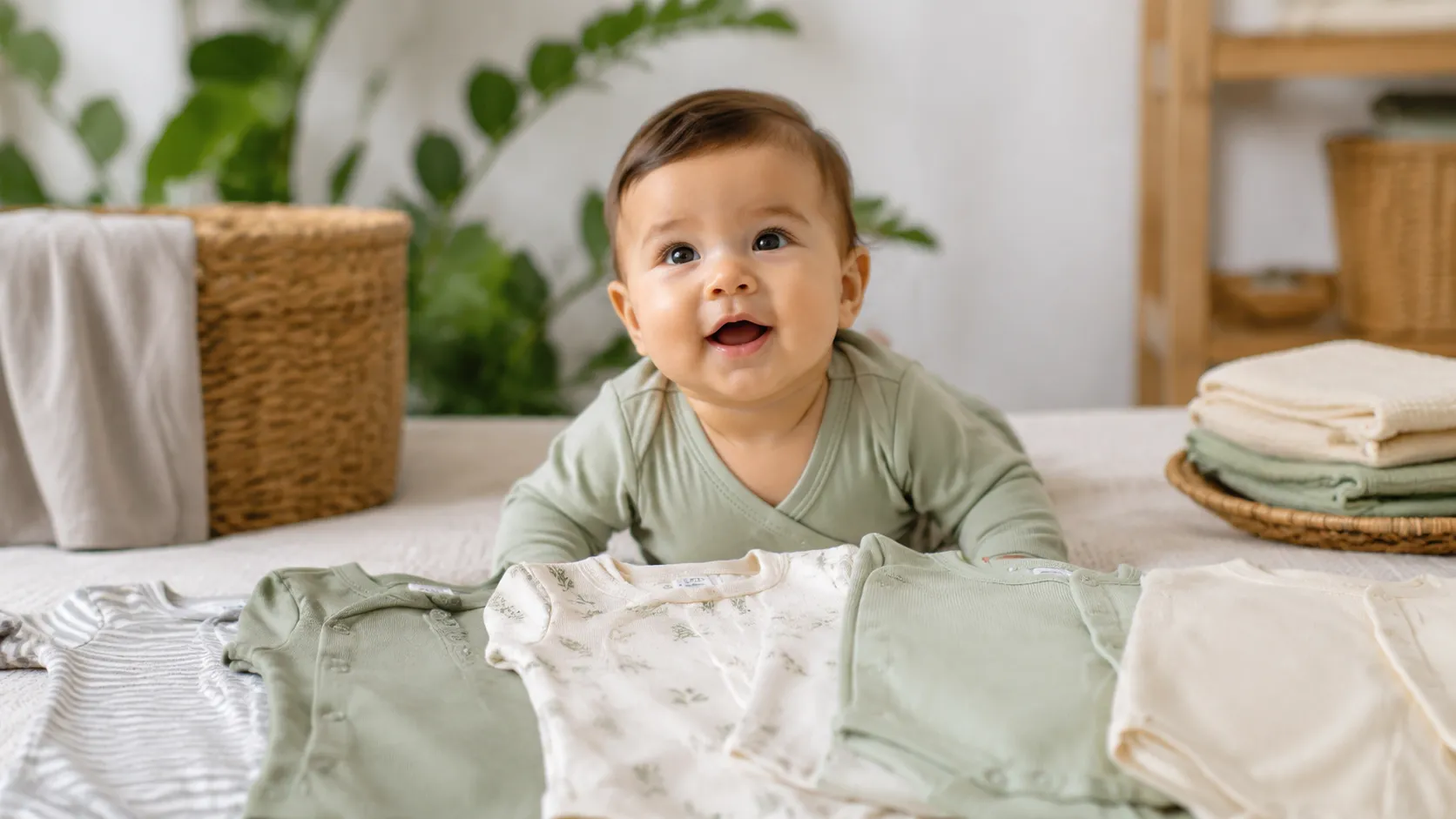
When stocking your baby’s wardrobe or sourcing for a boutique, choosing between bamboo and cotton is the ultimate debate. Both are incredibly popular, but they perform differently in everyday wear.
Comfort & Softness
Bamboo fabric is famous for a reason—it feels like a mix of silk and cashmere. It is naturally round and smooth at the microscopic level, meaning there are no sharp spurs to irritate delicate skin. While high-quality organic cotton is soft, standard cotton can feel rough or stiff after repeated washes. Bamboo maintains its buttery texture wash after wash.
Breathability
Babies cannot regulate their body temperature well, making breathability a safety priority. Bamboo fabric is highly porous, offering superior ventilation. It keeps babies cool in hot weather and traps warm air close to the skin during colder months. Cotton is breathable but tends to trap heat more easily than bamboo once it becomes damp.
Durability
Cotton is notoriously tough and handles high-heat washing exceptionally well. Bamboo, on the other hand, requires a bit more care but offers incredible structural durability. Because bamboo fibers are exceptionally long, they stretch without tearing. This elasticity means a bamboo zipper baby romper or onesie can stretch to fit a growing baby up to three times longer than a standard cotton counterpart.
Sustainability
From an environmental standpoint, bamboo wins by a landslide. It is a self-regenerating grass that grows up to four feet a day without pesticides, fertilizers, or massive amounts of water. Cotton—even organic cotton—is a highly thirsty crop that requires extensive land and agricultural management to harvest.
Which Fabric Is Better for Babies?
While cotton is a reliable, budget-friendly staple for daytime play, bamboo is the superior choice for overall baby wellness. Its natural temperature regulation and stretch make it the absolute best material for sleepwear and sensitive skin. For parents and retailers looking for maximum longevity and premium comfort, investing in bamboo apparel yields the highest long-term value.
Bamboo Baby Clothes Size Guide
Finding the perfect fit for your growing baby can be a challenge, especially since little ones sprout so quickly. Because bamboo fabric behaves differently than traditional textiles, understanding how it stretches and wears is essential for getting the most value out of your baby's wardrobe.
Newborn Size Chart
While every baby grows at their own pace, standard sizing charts offer a solid baseline. Because high-quality bamboo viscose features exceptional multi-way stretch, these garments often fit well beyond the maximum weight listed.
| Size | Weight Range (lbs) | Length Range (in) | Typical Age |
|---|---|---|---|
| Preemie | Up to 5 lbs | Up to 17 in | Newborn (Premature) |
| Newborn (NB) | 5 – 8 lbs | 17 – 21 in | 0 – 6 Weeks |
| 0–3 Months | 8 – 12 lbs | 21 – 24 in | 6 Weeks – 3 Months |
| 3–6 Months | 12 – 16 lbs | 24 – 26 in | 3 – 6 Months |
| 6–12 Months | 16 – 22 lbs | 26 – 30 in | 6 – 12 Months |
Baby Growth & Fit Tips
- Look for Convertible Features: Opt for footie pajamas that feature fold-over cuffs. This allows you to convert the garment from a footless romper to a full sleeper, instantly extending the wear-time as your baby grows.
- Check the Torso Length: When assessing fit, pay closest attention to the torso. If the fabric is pulling tightly at the shoulders or crotch, it is time to size up, even if the limbs still have room to stretch.
- Buy for Current Fit, Not Future Growth: Because bamboo is incredibly stretchy, buying a size too large can result in excess fabric that bunches up, which can pose a safety hazard during sleep.
How Bamboo Fabric Fits Compared to Cotton
Bamboo fabric fits fundamentally differently than 100% cotton. Cotton is a structured, rigid fiber that tends to shrink significantly during its first wash and offers very little give. Once a baby hits the upper weight limit of a cotton sleeper, the fabric becomes tight and restrictive.
In contrast, premium bamboo viscose blended with spandex creates a highly elastic knit. It molds gently to your baby’s body without squeezing. This incredible elasticity means a single bamboo outfit can easily last up to three times longer than a standard cotton counterpart. For example, our ultra-stretchy mouse cruise bamboo baby zippy pajama is specifically designed to expand alongside your baby, safely accommodating growth spurts without putting pressure on sensitive skin.
How to Care for Bamboo Baby Clothes
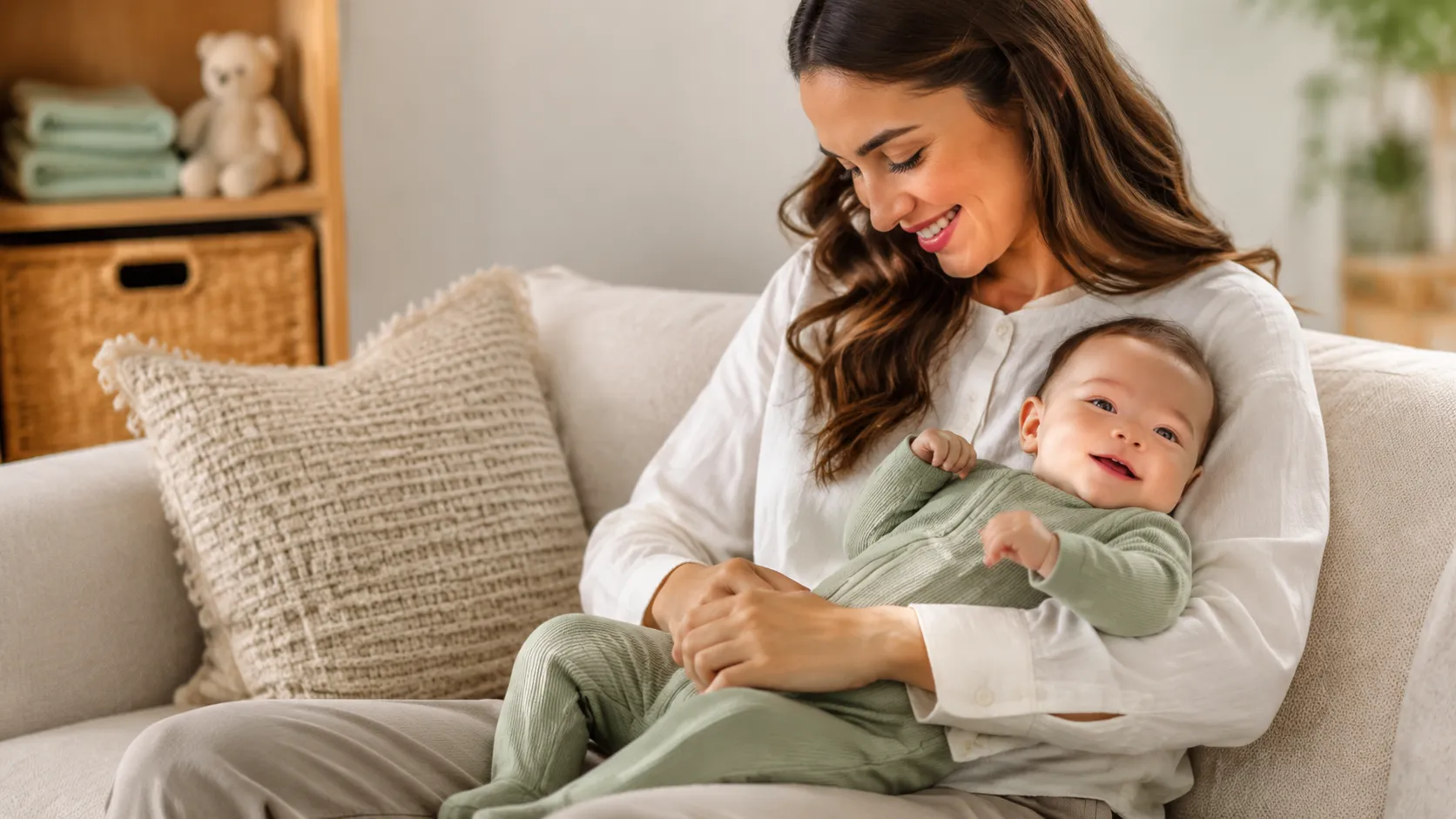
Proper care is essential to keep your bamboo baby clothes incredibly soft, stretchy, and durable for long-term wear. Because bamboo viscose is a delicate natural fiber, following the right laundry routine prevents damage and extends the life of your baby's favorite outfits.
Washing Instructions
To maintain the fabric's integrity and vibrant prints, always wash bamboo garments with care.
- Turn Inside Out: Always flip clothes inside out before washing to protect the outer fibers and delicate prints from friction.
- Use Cold Water: Wash on a gentle or delicate cycle using cold water. Hot water can break down the fibers and cause premature wear.
- Choose a Gentle Detergent: Use a mild, eco-friendly, or baby-safe liquid detergent. Avoid bleach, fabric softeners, and industrial stain removers, which can weaken the fabric.
- Wash Separately: Launder your bamboo pieces with other soft fabrics. Avoid mixing them with heavy items like jeans, towels, or garments with harsh velcro and zippers that can snag the knit.
Drying Tips
Air drying is the absolute best way to preserve the quality of your bamboo apparel, but machine drying can be done safely if necessary.
- Line Dry When Possible: Lay garments flat or hang them to air dry in the shade. This prevents stretching and keeps the fabric feeling brand new.
- Use Low Heat: If you must use a dryer, select the lowest heat or air-fluff setting. High heat damages the elastic properties of bamboo blends.
- Skip the Dryer Sheets: Avoid dryer sheets, as they leave a chemical residue that reduces the natural breathability and moisture-wicking properties of the fabric.
Storage Recommendations
Proper storage keeps your baby clothes in ready-to-wear condition and prevents accidental stretching.
- Fold, Don't Hang: Fold your premium bamboo rompers and zippies instead of placing them on hangers. Hanging can cause the shoulders to stretch out over time due to the fabric's natural weight.
- Store in a Cool, Dry Place: Keep the clothes in a breathable drawer or organizer away from direct sunlight to prevent color fading.
How to Prevent Shrinking & Pilling
Pilling is a natural characteristic of high-quality rayon or viscose fabrics, but you can minimize it with the right preventative steps.
- Use a Mesh Laundry Bag: Place delicate items, like a seasonal christmas green guy plaid baby bamboo zippy sleeper, inside a mesh wash bag to isolate them from friction.
- Wash Full Loads Wisely: Avoid overloading the washing machine, which increases friction between clothes and accelerates pilling.
- Address Stains Immediately: Treat blowouts and food spills immediately by blotting with cold water and a mild stain remover before washing. Never scrub the fabric aggressively.
Common Myths About Bamboo Baby Clothes
When shopping for the top 20 bamboo baby clothes brands, it is easy to get caught up in marketing buzzwords. Let's clear up some common misconceptions so you can make the best choices for your little one.
Myth #1: All Bamboo Fabric Is Organic
While raw bamboo grows rapidly without pesticides, the process of turning it into soft fabric requires chemical processing. Most bamboo garments are made from bamboo viscose or rayon. While the raw material is natural, the finished textile is manufactured. Look for specific certifications like OEKO-TEX Standard 100 to ensure the final garment is free from harmful chemical residues.
Myth #2: Higher Price Means Better Quality
A premium price tag does not automatically guarantee superior fabric. Many times, you are paying for exclusive boutique prints, limited-edition drops, or heavy brand marketing. Excellent durability and softness can often be found at mid-range price points. Focus on fabric weight, stitching quality, and customer reviews rather than the price tag alone.
Myth #3: Bamboo Clothing Never Pills
Because bamboo fibers are incredibly soft and smooth, they are still prone to friction pilling over time. Pilling is a natural characteristic of fine knit fabrics, especially when rubbed against rough surfaces like velcro, carpet, or canvas car seats. You can easily minimize this by washing your bamboo garments inside out on a gentle cycle. For seasonal changes, keeping a few festive options like Halloween crazy witch bamboo zip-up baby pajamas washed correctly will keep them looking new longer.
Myth #4: Bamboo Is Always Antibacterial
Raw bamboo contains a natural protective agent called "bamboo kun," which resists pests and bacteria in nature. However, chemical processing during the viscose manufacturing method breaks down this component. While the finished apparel remains incredibly breathable and moisture-wicking—making it hostile to bacteria growth—the fabric itself does not retain active antibacterial properties.
Future Trends in Bamboo Baby Clothing
The bamboo baby apparel industry is shifting rapidly. As consumer demand for eco-conscious products grows, the future of these fabrics lies in cleaner production, extended lifecycles, and high-performance textile engineering.
Sustainable Manufacturing
The next generation of bamboo clothing focuses heavily on closed-loop processing. Brands are moving away from traditional chemical intensive methods and adopting systems where up to 99% of water and non-toxic solvents are captured, recycled, and reused. This drastically minimizes environmental runoff and ensures the production process is as clean as the final garment.
Circular Fashion
Circular fashion is reshaping how parents buy and discard baby apparel. Future trends emphasize take-back programs, clothing rental models, and easily recyclable fabric blends. Because babies outgrow clothing in a matter of months, creating garments designed to be broken down and spun into new yarn is a top priority for forward-thinking brands.
Recycled Bamboo Fibers
Innovation in textile recycling now allows manufacturers to blend post-consumer bamboo garments with virgin fibers. This reduces the reliance on raw agricultural resources. This development helps brands create ultra-soft, highly durable clothing lines while shrinking their overall carbon footprint.
Smart & Functional Baby Apparel
Bamboo fabric is being integrated with smart textile technology to offer enhanced functionality for modern parents. Future lines will feature:
Advanced UV protection woven directly into the fibers for safer outdoor play.
Enhanced thermal regulation zones that adapt dynamically to a baby's body temperature.
Non-toxic, plant-based antimicrobial treatments that withstand dozens of washes.
The Future of Bamboo Textiles
Bamboo is cementing its place as a permanent staple in children's wear rather than a passing trend. As processing technologies improve, expect to see tougher bamboo blends that resist pilling, dry faster, and maintain their signature buttery softness through years of heavy laundering and hand-me-down use.
Wholesale Bamboo Baby Clothes Guide
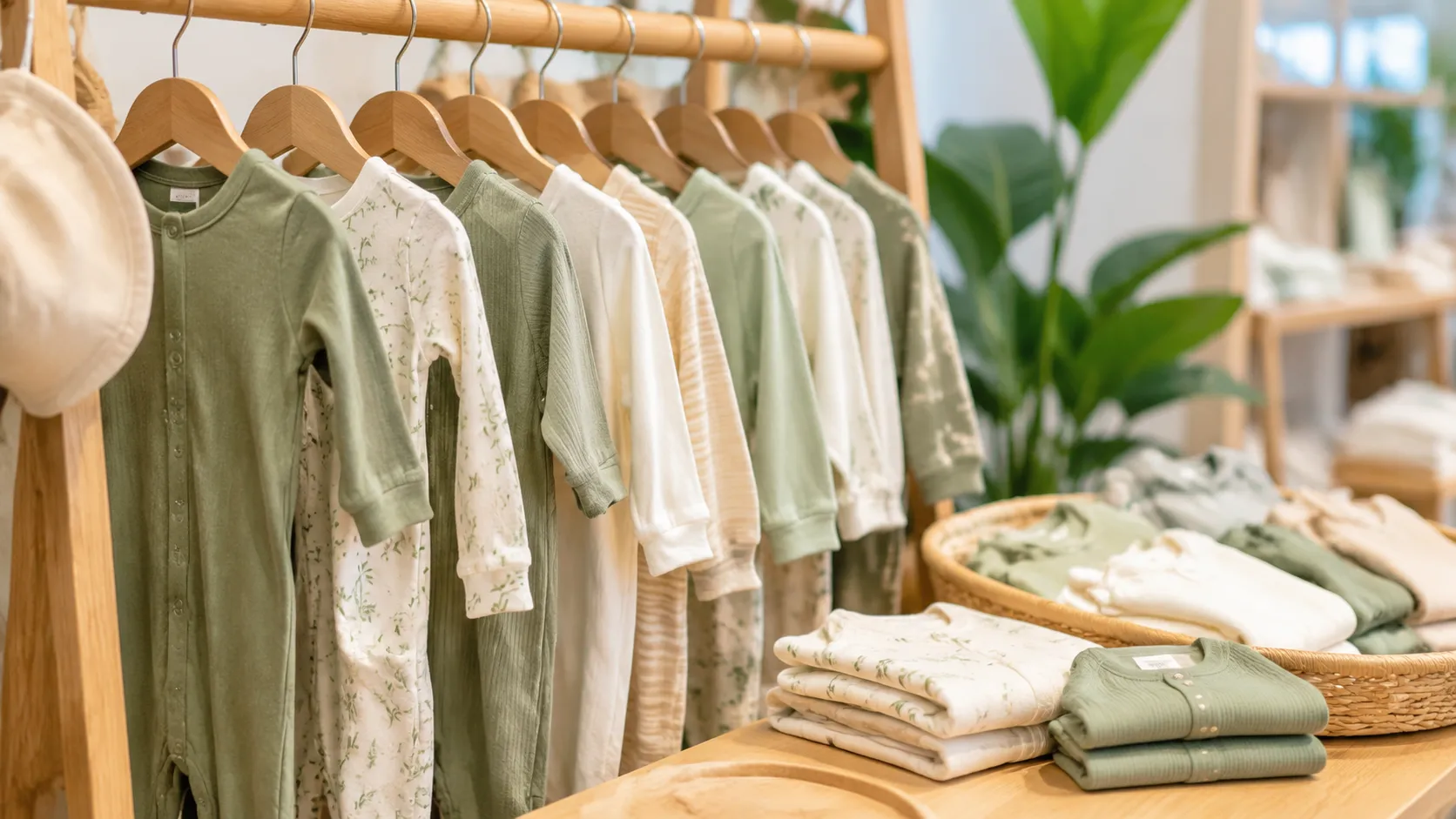
Sourcing bamboo baby apparel for your boutique or brand requires understanding production models, supplier capabilities, and quality standards. Here is how to navigate the wholesale landscape efficiently.
OEM vs ODM Manufacturing
Choosing the right manufacturing model depends on your product design readiness and brand strategy:
- OEM (Original Equipment Manufacturer): You provide the exact tech packs, custom prints, and specs. The factory handles cut-and-sew production to your precise requirements.
- ODM (Original Design Manufacturer): The factory offers pre-designed styles, patterns, and fits. You select existing products and add your custom branding or minor tweaks.
Private Label Services
Private labeling lets you launch custom bamboo lines without building a factory from scratch. Essential private label services include:
| Service | Details |
|---|---|
| Custom Labeling | Heat-transfer neck tags, woven labels, and custom care tags |
| Bespoke Packaging | Eco-friendly poly bags, custom tissue paper, and branded boxes |
| Exclusive Prints | Custom digital printing for unique patterns like retro flowers bamboo baby zippy pajamas |
Minimum Order Quantities (MOQ)
MOQs vary depending on whether you choose stock fabrics or custom-dyed prints:
- In-Stock Styles: 50–100 pieces per style/color (ideal for small boutiques).
- Custom Prints & Colors: 300–500 pieces per print due to fabric milling minimums.
- Custom Fabric Blends: 1,000+ pieces for tailored fabric weights (GSM) or specific yarn blends.
Quality Control Standards
Bamboo viscose is delicate and requires strict quality control throughout production:
- Fabric Testing: Verify composition (e.g., 95% bamboo viscose, 5% spandex) and GSM weight consistency.
- Safety Certifications: Ensure textiles meet OEKO-TEX Standard 100 certification for chemical safety.
- Hardware Audits: Check lead-free YKK zippers, smooth zipper guards, and reinforced double-stitching.
- Pre-Shipment Inspection: Perform AQL (Acceptable Quality Limit) 2.5 visual and dimensional checks before dispatch.
How to Choose a Reliable Supplier
Partnering with the right factory protects your margin and brand reputation. Evaluate potential suppliers using these metrics:
- Fabric Expertise: Confirm experience working specifically with stretch bamboo viscose and jersey knits.
- Production Lead Times: Standard sample lead times run 7–10 days; bulk production typically takes 30–45 days.
- Ethical Compliance: Ensure fair wages, safe working conditions, and sustainable waste-water practices.
- Communication & Samples: Always order pre-production samples to test stretch retention, color accuracy, and softness before committing to bulk runs.
Where to Buy Bamboo Baby Clothes
When sourcing the top 20 bamboo baby clothes brands, finding the right purchasing channel depends on whether you are buying for a single wardrobe or stocking a retail business. The market offers distinct pathways for direct consumers, boutique owners, and private label brands.
Official Brand Websites
Buying directly from official brand websites ensures authenticity, complete size runs, and access to exclusive print drops. For premium, consumer-facing labels like Kyte Baby, Little Sleepies, and Posh Peanut, their standalone stores are the primary hubs for new releases and loyalty rewards. Shopping directly is ideal for parents seeking specific signature solids or limited-edition patterned sleepwear.
Online Retailers
Major e-commerce platforms and curated digital boutiques provide excellent multi-brand shopping experiences. Online retailers allow you to mix and match different bamboo labels in a single checkout. These platforms frequently offer competitive shipping rates and aggregate customer reviews, making it easier to compare the fit and fabric weight of different brands side by side.
Wholesale & Private Label Suppliers
For entrepreneurs, boutique owners, and independent retailers, partnering with a dedicated manufacturer is the most profitable route. If you want to scale a baby clothing business with custom designs, choosing a supplier that offers comprehensive brand label packaging support for private label kidswear allows you to build a unique brand identity. Working directly with wholesale suppliers cuts out middleman costs, lowers minimum order quantities, and gives you direct control over fabric quality, custom sizing, and custom packaging.
Frequently Asked Questions
Are Bamboo Baby Clothes Safe for Newborns?
Yes, bamboo baby clothes are completely safe and actually ideal for newborns. The ultra-soft fibers don't rub or irritate delicate newborn skin. Plus, newborn babies can't regulate their own body temperature well, and bamboo fabric naturally helps keep them warm in the winter and cool in the summer.
Is Bamboo Better Than Cotton?
For many parents, yes. While organic cotton is durable and classic, bamboo is significantly softer, stretchier, and better at moisture-wicking. Bamboo fabric stretches to fit babies longer than traditional cotton, offering better long-term value. However, high-quality cotton can sometimes handle high-heat drying better than delicate bamboo.
Are Bamboo Baby Clothes Worth the Price?
Absolutely. While the upfront cost is higher than standard cotton packs, bamboo outfits last much longer. Because the fabric has incredible natural stretch, a single bamboo zippy can often fit a growing baby for three to six months longer than the size on the label dictates. Understanding what are bamboo pajamas and how they wear helps explain why parents consider them a premium, cost-effective investment.
How Long Do Bamboo Clothes Last?
With proper care, high-quality bamboo baby clothes can last through multiple children. The fibers are incredibly resilient. To maximize their lifespan, wash them inside out on a gentle cycle and avoid harsh chemicals or high heat.
Do Bamboo Clothes Shrink?
True bamboo viscose experiences minimal shrinkage compared to 100% cotton. If you wash in cold water and air dry or tumble dry on low, your bamboo baby clothes will retain their original size and shape perfectly.
Can Bamboo Clothes Go in the Dryer?
Yes, but you must use the lowest heat setting or an air-fluff cycle. High heat damages the delicate bamboo fibers, leading to pilling, loss of softness, and unwanted shrinkage. Air drying flat is always the safest option to keep the fabric looking brand new.
Is Bamboo Good for Babies with Eczema?
Bamboo is one of the absolute best fabrics for babies suffering from eczema or sensitive skin breakouts. The smooth, rounded fibers sit flat against the skin without scratching. It is naturally hypoallergenic and keeps the skin dry, preventing sweat from triggering eczema flare-ups.
What Certifications Should I Look For?
When buying top bamboo baby clothes brands, always look for the OEKO-TEX Standard 100 certification. This guarantees the final garment is completely free from harmful chemicals and processing residues, making it entirely safe for your baby.
What Is the Best Fabric Blend?
The industry gold standard for premium baby apparel is a blend of 95% Bamboo Viscose and 5% Spandex. This specific ratio delivers the signature buttery-soft feel of bamboo while providing the perfect amount of stretch and shape retention for active babies.
Which Bamboo Brand Is the Best?
While legacy brands like Little Sleepies and Kyte Baby are incredibly popular, the best overall brand depends on your specific needs for prints, price, and availability. Modern boutique lines offer identical premium fabric quality and safety standards with fresh, unique designs at a much better value.
Verdict
Choosing the perfect bamboo apparel for your little one or your store comes down to balancing softness, durability, and business value. After evaluating the top 20 bamboo baby clothes brands, here are our definitive top picks.
Best Overall Choice
Little Sleepies takes the crown for everyday wear. Their signature Lunaluxe fabric offers unmatched stretch, allowing garments to fit babies up to three times longer than standard cotton. With thoughtful features like fold-over mitts and double zippers, they set the standard for premium, hassle-free baby comfort.
Best Value for Money
For parents seeking premium quality without the luxury price tag, Kate Quinn offers the best balance. They deliver incredibly soft, stylish bamboo apparel in unique, earthy prints at a highly accessible price point, proving that high-quality eco-friendly clothing doesn't have to break the bank.
Best Premium Brand
When it comes to luxury aesthetics and boutique-quality fabric, Kyte Baby is unmatched. Their heavyweight, ultra-soft bamboo viscose sleep sacks and rompers offer a rich, cloud-like feel that handles repeated washing beautifully, making them the ultimate investment for sensitive newborn skin.
Best Wholesale Partner
For retailers and boutique owners looking to scale, Miozing is the ultimate choice. We provide exceptional manufacturing capabilities, low minimum order quantities, and reliable private label services. To expand your inventory with premium bamboo apparel, you can easily apply for a wholesale account to access our top-tier catalog and competitive bulk pricing.